
The Impact of Body Cameras on Police Accountability
In recent years, the implementation of body cameras by law enforcement agencies has become a significant topic of discussion, particularly in the context of police accountability. At Murphy, Falcon & Murphy, a dedicated personal injury law firm in Baltimore, we recognize the critical role body cameras play in shaping public perception and ensuring accountability in policing. Here are five key points on how body cameras impact police accountability. Schedule a consultation today.
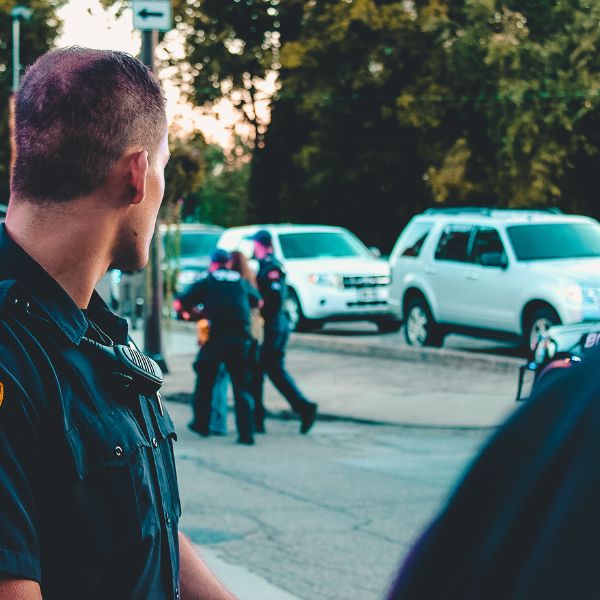
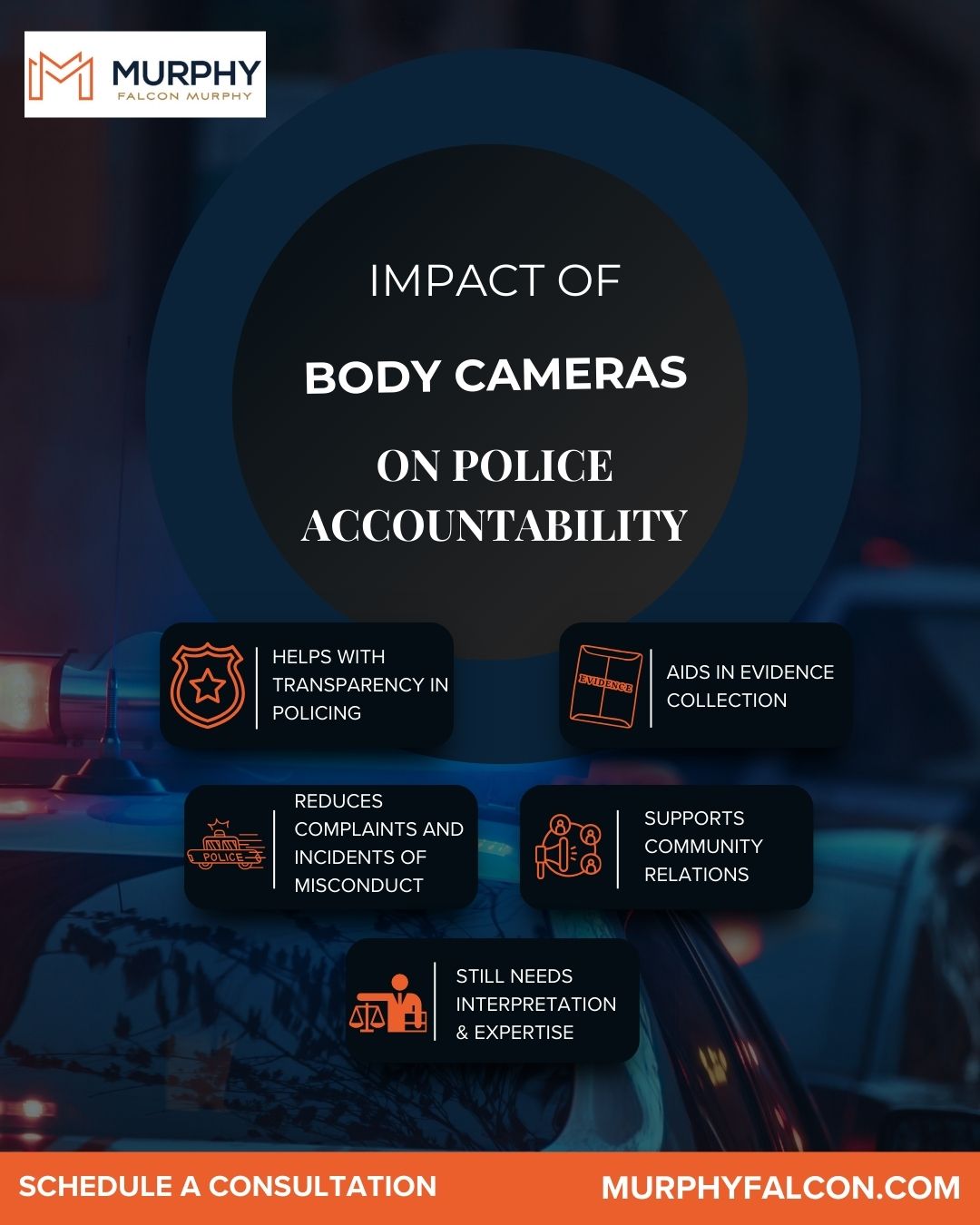
Transparency in Policing
One of the most substantial benefits of body cameras is the transparency they provide. These devices capture real-time footage of interactions between police officers and the public, enabling a level of scrutiny that was often absent before. When officers know they are being recorded, it can encourage them to act more responsibly and professionally, reducing incidents of misconduct.
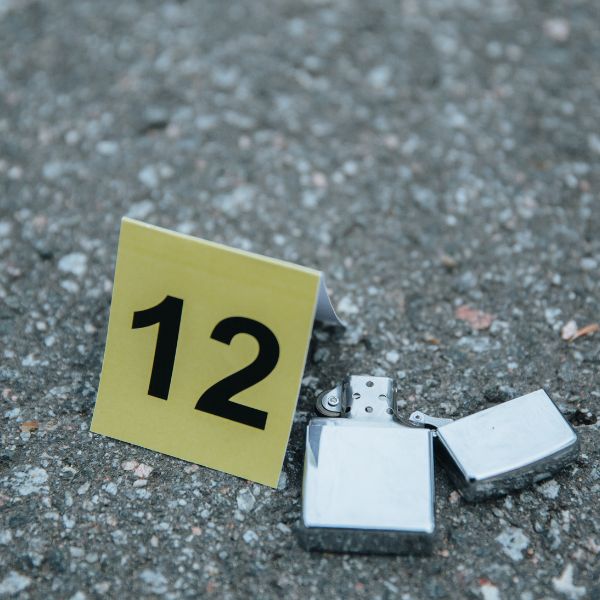
Evidence Collection
Body cameras serve as a valuable tool for collecting evidence during police encounters. Footage from these cameras can provide clear, objective accounts of events, which can be crucial in investigations of police misconduct or police brutality. A police brutality lawyer can leverage this evidence to support victims in pursuing claims and achieving justice. This capability ensures that both law enforcement and civilians are held accountable for their actions.
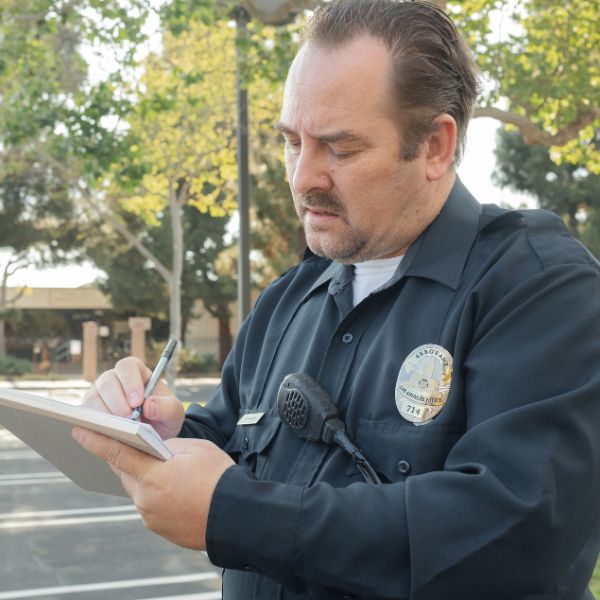
Reduction in Complaints and Incidents of Misconduct
Studies have shown that the presence of body cameras can lead to a reduction in complaints against officers and incidents of use-of-force. Knowing that their actions are being recorded may deter officers from engaging in questionable behavior, ultimately fostering a culture of professionalism and respect. This shift is beneficial not only for individuals interacting with law enforcement but also for the officers themselves, reducing the potential for confrontations.
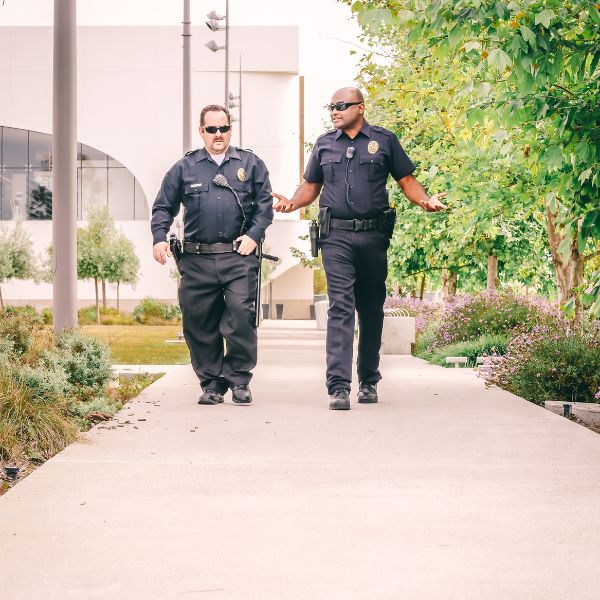
Supporting Community Relations
Body cameras can enhance community relations by promoting trust between law enforcement and the public. When community members see that police departments are committed to transparency and accountability, they may be more willing to cooperate with officers. This positive interaction leads to safer neighborhoods and stronger community ties, which are essential for effective policing.
Challenges and Limitations
While body cameras significantly enhance police accountability, they are not a cure-all for issues related to police brutality and misconduct. There are challenges, including concerns over privacy, data management, and how footage is used in investigations. For victims of police misconduct, the presence of body cameras can play a crucial role in their cases, but it’s essential to engage a knowledgeable police brutality attorney to navigate these complexities effectively.
GET STARTED TODAY
Body cameras have a profound impact on police accountability, ensuring transparency, aiding in evidence collection, and fostering better community relations. However, challenges remain that require careful consideration and legal expertise. If you or someone you know has experienced police brutality, consider reaching out to Murphy, Falcon & Murphy, your trusted personal injury law firm in Baltimore. Our experienced police brutality lawyers are here to help you seek justice and hold law enforcement accountable for their actions. Schedule a consultation today.