
Proving Racial Bias in Maryland Civil Rights Cases
For over 70 years, the Murphy name has been synonymous with the fight for civil rights in Baltimore. We understand that racial bias in the 21st century is rarely overt; it is often woven into “neutral” policies and systemic behaviors. Proving that an action was motivated by race is one of the most challenging tasks a lawyer can undertake. At Murphy, Falcon & Murphy, we move beyond “he said, she said” for justice.
The Challenge of Proving Intent
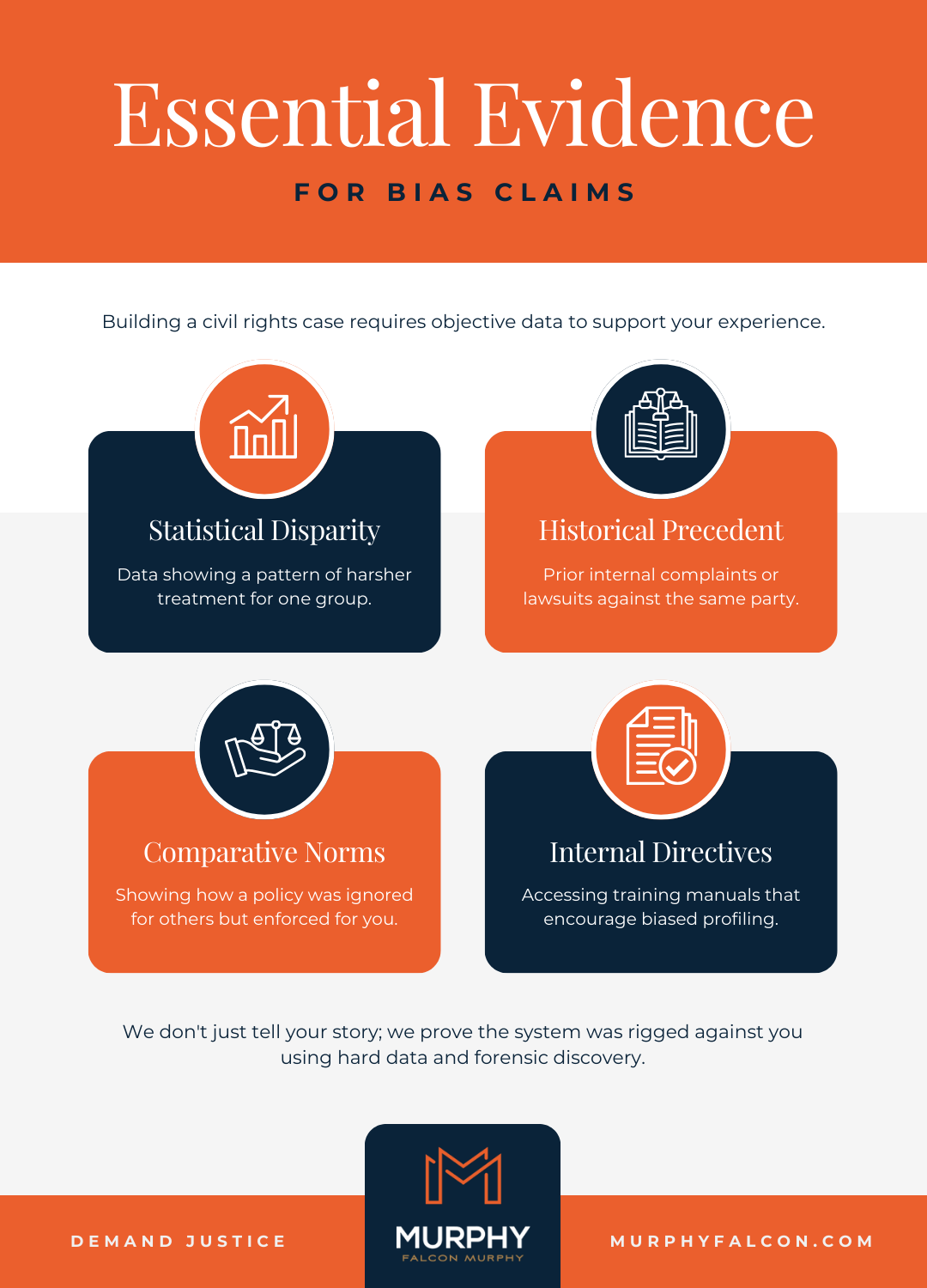
In many civil rights cases, the defense will argue that their actions were based on a legitimate, non-discriminatory reason. To win, we must prove that this reason was a “pretext”—a cover-up for actual bias. This often involves looking at how the defendant treated people of different races in identical situations. If a white employee was given a warning while a Black employee was fired for the same error, we have a claim.

Utilizing Statistical Disparity
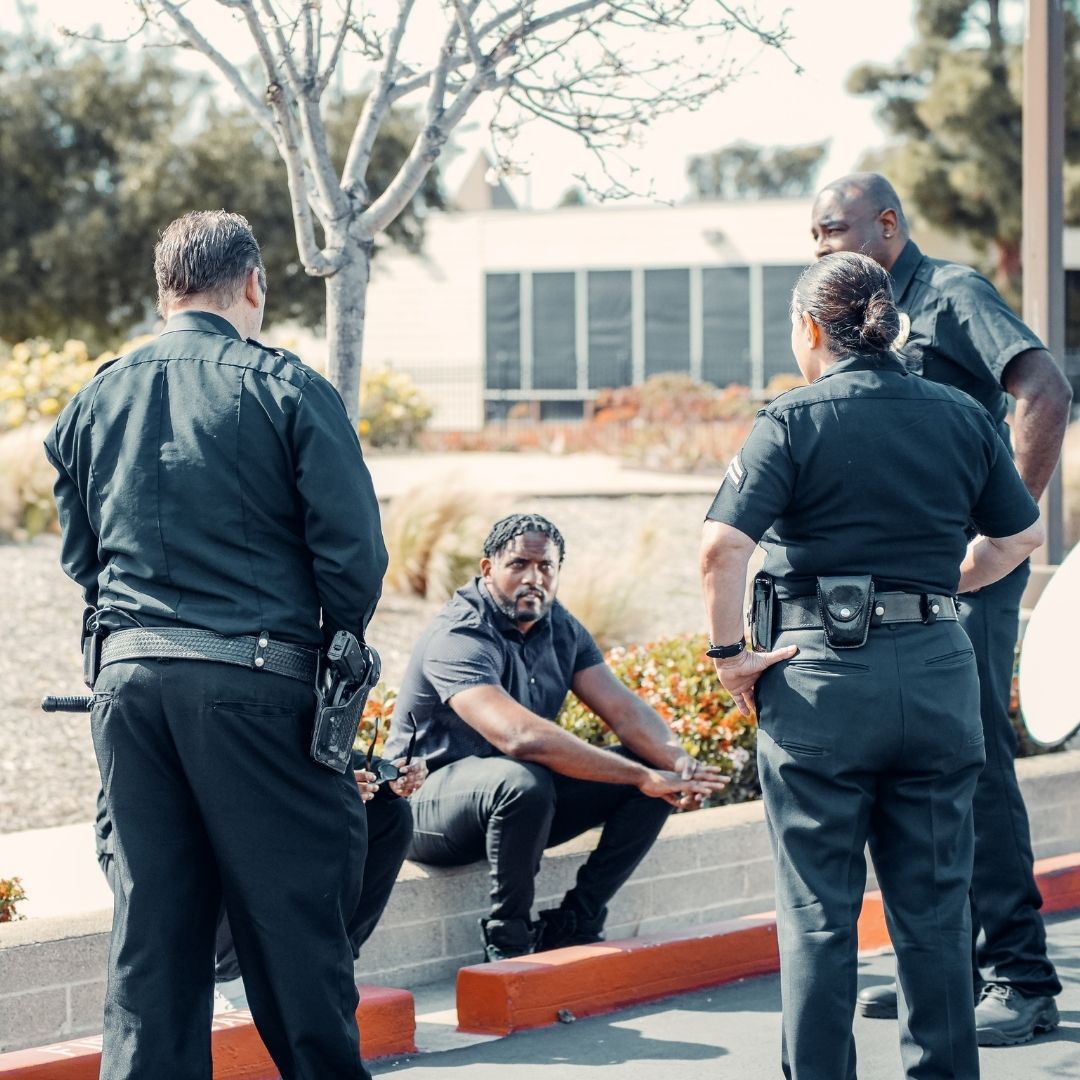
Numbers don’t lie. When we take on a case involving systemic bias—whether in housing, policing, or employment—we often rely on statistical experts. If a police precinct stops Black drivers at five times the rate of white drivers in the same neighborhood, that data points to a systemic “pattern or practice” of discrimination. In Maryland, showing a “disparate impact” is a powerful tool for holding institutions accountable for their biased and unfair outcomes.
The Digital Paper Trail
In the modern age, bias often leaves a digital footprint. We use aggressive discovery tactics to gain access to internal emails, text messages, and private Slack channels. It is remarkable how often professional environments hide deeply biased communications in private forums. These “smoking gun” documents can transform a difficult case into a clear-cut violation of the Civil Rights Act. Our firm has the technical resources to perform forensic audits of these internal digital communications.

Uncovering Biased Training and Manuals
Sometimes the bias is taught. We investigate the internal training manuals and standard operating procedures of the organizations we sue. In some police misconduct cases, we find that training materials rely on outdated, racially charged stereotypes that encourage officers to see certain communities as inherently dangerous. When an organization’s own training creates a culture of bias, the organization itself is liable for the actions of its employees. We hold the entire system accountable.

The Legacy of the Maryland Police Accountability Act
The legal landscape for civil rights in Maryland changed significantly with recent reforms. New laws have made it easier to hold officers and departments accountable for misconduct and have limited the protections that previously shielded them from liability. We are at the forefront of using these new statutes to secure justice for victims of police brutality and discriminatory enforcement. We understand how to navigate the new Police Accountability Boards to bolster civil claims.
Civil rights are not self-executing; they must be defended by those willing to stand up to powerful institutions. If you have been the victim of racial profiling, workplace discrimination, or police misconduct, your voice deserves to be heard. You need a law firm that has a multi-generational legacy of taking these fights to the highest courts. If your rights have been violated, call a lawyer today. We are ready to stand with you.