
Denied Service? Your Rights Under Maryland’s Public Accommodations Law
Walking into a store, restaurant, or hotel, you expect to be treated with basic respect. But what happens when you are refused service, given inferior treatment, or asked to leave for reasons that feel unjust? While it might seem like a simple case of bad customer service, it could be one of the most common types of civil rights violations. At Murphy, Falcon & Murphy, a leading Maryland personal injury law firm, we want you to know that you are protected against illegal discrimination.
Understanding your rights is the first step toward justice. Here are five key points about Maryland’s Public Accommodations Law. Schedule a consultation today.

What Qualifies as a “Public Accommodation”?
The term is broader than you might think. It covers nearly any establishment that offers goods, services, or facilities to the general public. This includes restaurants, bars, retail stores, hotels, theaters, parks, hospitals, and public transportation. If a place is open to the public, it is generally required to follow anti-discrimination laws.
You Are Protected Based on Who You Are.
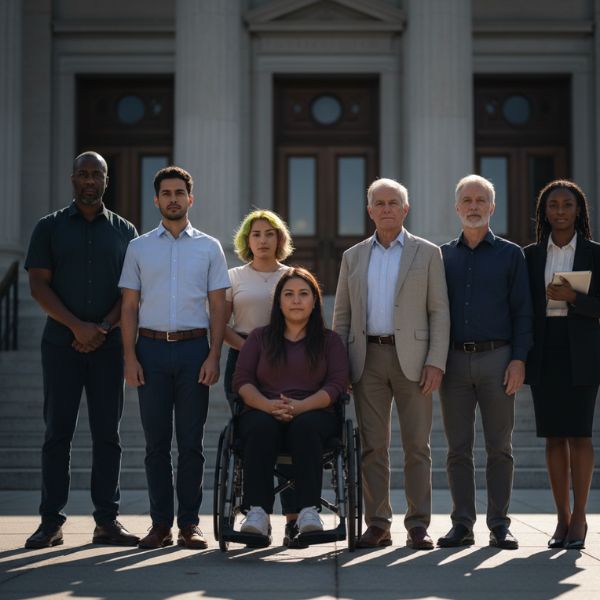
Maryland law makes it illegal for a public accommodation to deny or refuse service to an individual based on their race, color, sex, disability, religion, national origin, marital status, sexual orientation, or gender identity. Refusing to serve someone because of these protected characteristics is not a business owner’s right—it’s a clear civil rights violation.

Discrimination Isn’t Always Obvious.
A denial of service isn’t always as blunt as a “we don’t serve your kind here” statement. It can be subtle. Examples include being ignored by staff while others are served, being offered inferior service, being seated in an isolated section, or being told there are different rules or prices for you. These actions are often central to successful civil rights cases.

Document Everything Immediately.
If you believe you have been the victim of discrimination, documentation is critical. As soon as you are in a safe place, write down everything you remember: the date, time, and location; the names or descriptions of the employees involved; exactly what was said and done; and the contact information of any witnesses. This evidence is the foundation of your case and is vital for a civil rights attorney.

You Don’t Have to Fight Alone.
Proving that an act was discriminatory can be challenging. The business owner will likely offer a different reason for their actions. This is where an experienced personal injury lawyer in Baltimore can make all the difference. An attorney can investigate the incident, gather evidence, and build a powerful case to expose the truth.

SCHEDULE A CONSULTATION
If you have faced humiliation and discrimination, do not stay silent. As a premier Maryland personal injury law firm, Murphy, Falcon & Murphy has a team of dedicated legal professionals ready to fight for you. Contact us today to speak with a civil rights attorney who understands how to handle complex civil rights cases and protect your dignity.