
The First Amendment in Action: Your Rights as a Protester and When They Can Be Violated
The right to assemble and protest is a cornerstone of American democracy, allowing you to make your voice heard on the issues that matter most. In Baltimore and across Maryland, people frequently exercise this fundamental right. However, it is crucial to understand that while your First Amendment rights are powerful, they are not absolute. Knowing the boundaries of your rights can help you protest safely and effectively, and recognize when law enforcement actions cross the line. Here are five key points about your rights as a protester in Maryland from Murphy, Falcon & Murphy. Schedule a consultation today.

The “Time, Place, and Manner” Rule
The government cannot restrict your protest based on its message, but it can impose reasonable, content-neutral restrictions on the “time, place, and manner” of the event. This means a city might require a permit for a large march that will block traffic or limit the use of loudspeakers in a residential area at night. However, these rules must be applied equally to all groups.
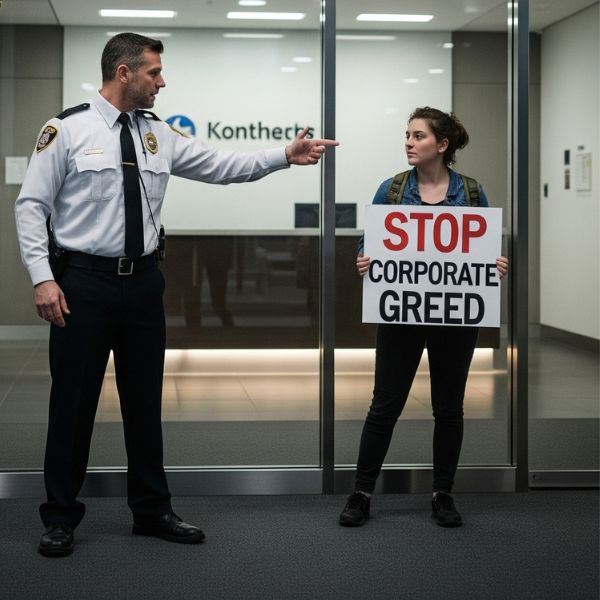
Public Forums vs. Private Property
Your right to protest is strongest in “traditional public forums” like public sidewalks, parks, and town squares. You do not have an unlimited right to protest on private property. If you protest on private land without the owner’s permission, you can be asked to leave and may be charged with trespassing if you refuse.
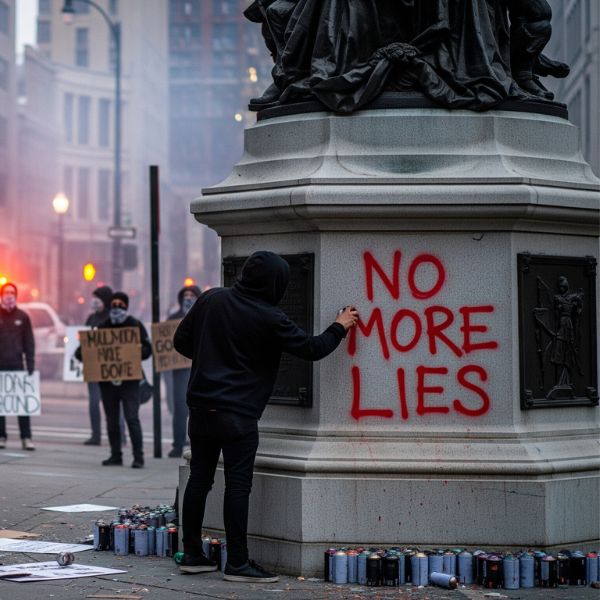
Speech That Is Not Protected
The First Amendment does not protect speech that incites imminent violence, makes true threats, or creates a clear and present danger. Furthermore, illegal actions are not protected as free speech. This means that acts like vandalism, destruction of property, or physically blocking access to a public building like a hospital are criminal acts, not protected protest activities.
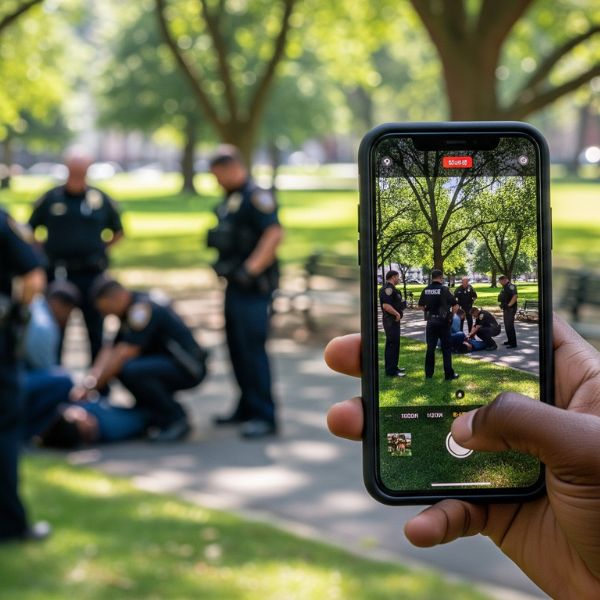
Your Right to Film the Police
In Maryland, you have a constitutionally protected right to film police officers while they are performing their duties in a public space, as long as you do not interfere with their actions. This right is a critical tool for transparency and accountability, especially in cases of potential police brutality.

When a Police Response Becomes a Violation
Police have the authority to order a crowd to disperse if a protest becomes unlawful or violent. However, their response must be reasonable. The use of excessive force—such as deploying tear gas, rubber bullets, or physical violence against peaceful protesters—is a violation of your civil rights and a clear example of police brutality. In these situations, you need an experienced police brutality attorney.

CALL TODAY
If you or a loved one has been injured or had your rights violated by law enforcement at a protest, you have legal options. Murphy, Falcon & Murphy is a leading personal injury law firm with a formidable civil rights practice. Contact a police brutality attorney at our Baltimore office today for a consultation.