
Who Is Responsible? Navigating Liability for Injuries at a Rental Property (Landlord vs. Tenant)
When you are injured at an apartment complex or a rented home, the aftermath can be confusing. Beyond the pain and medical bills, you face a critical question: Who is legally responsible for what happened? Is it the tenant who lives there, or the landlord who owns the property? In Maryland, the answer depends on several key factors, and determining liability requires a careful legal analysis. At the Baltimore-based personal injury law firm of Murphy, Falcon, & Murphy, we are here to clarify these complex situations. Here are five key points to understand about liability for injuries at a rental property. Schedule a consultation today.
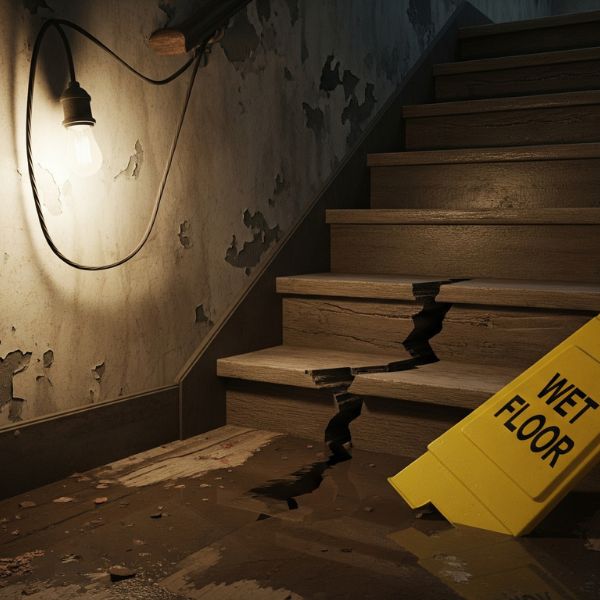
The Landlord’s Duty: Common Areas
Generally, a landlord is responsible for keeping all “common areas” reasonably safe for tenants and their guests. Common areas include places like hallways, stairwells, lobbies, parking lots, and elevators that are under the landlord’s control. If your injury occurred in one of these spaces due to a hazard like a broken step or poor lighting, the landlord is likely the responsible party.
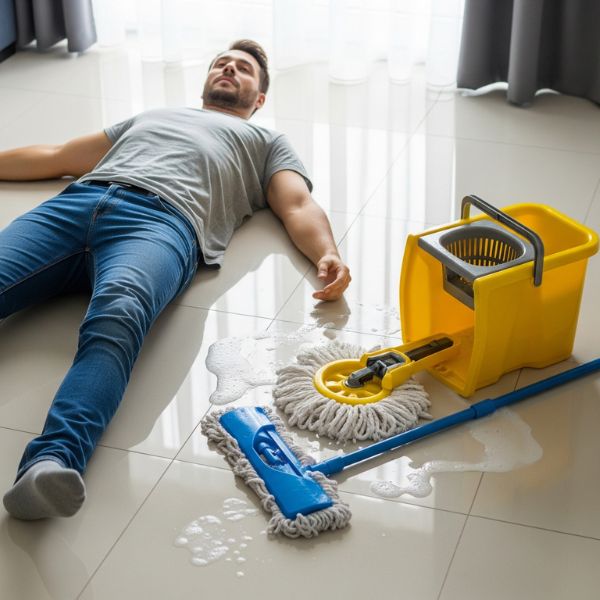
The Tenant’s Duty: Areas of Exclusive Control
A tenant typically has the responsibility to maintain the area under their exclusive control—the inside of their apartment or rental house—in a safe condition for invited guests. If an injury is caused by a temporary hazard created by the tenant, such as a spill on the floor or a tripping hazard they created, the tenant is usually held liable.
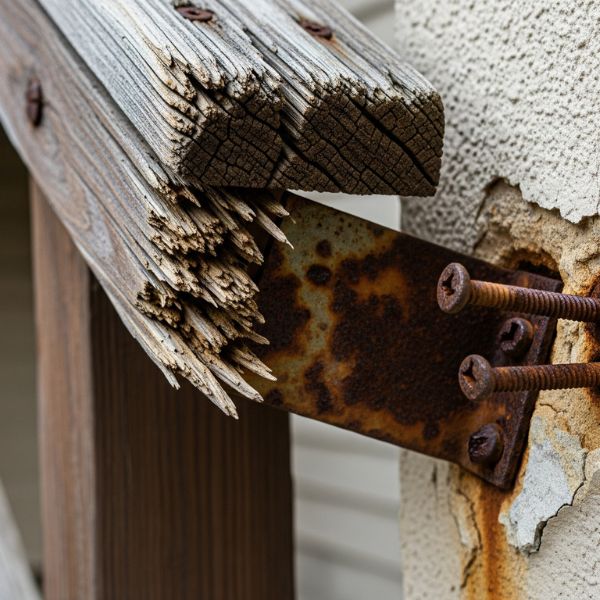
Liability for Negligent Repairs
Landlord liability often arises from negligent repairs. If a landlord is notified of a problem (like a leaky pipe or a faulty railing) and either fails to fix it or performs a repair that is careless and makes the situation worse, they can be held responsible for any resulting injuries. A skilled liability lawyer will investigate the history of repairs at the property.
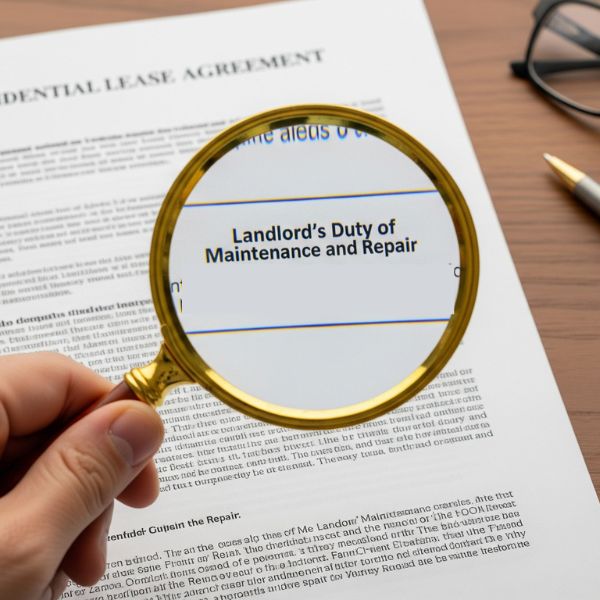
The Importance of the Lease Agreement
The signed lease is a critical piece of evidence in these cases. It often outlines the specific duties of both the landlord and the tenant regarding maintenance and repairs. A thorough premise liability attorney in Baltimore will always start by carefully reviewing the lease agreement to understand the contractual obligations of each party.
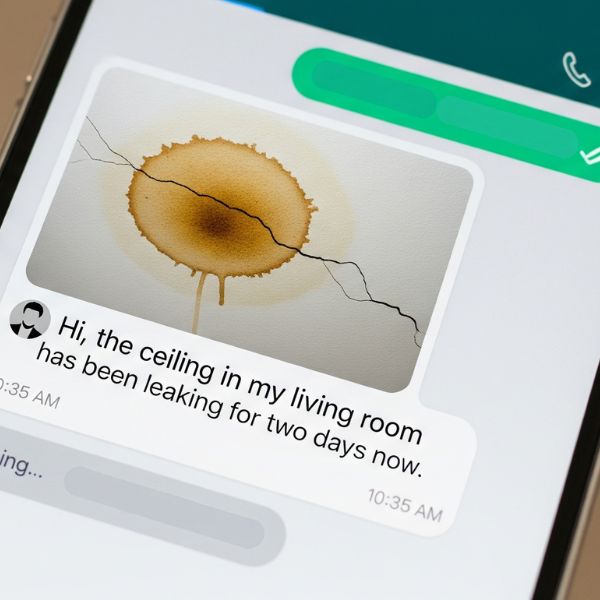
Proving “Notice” Is Key
To win a claim, you must generally prove that the responsible party (whether landlord or tenant) knew or reasonably should have known about the dangerous condition but failed to fix it or provide adequate warning. This concept of “notice” is often the most contested part of a case.
CONTACT US TODAY
Determining fault in these situations requires a deep understanding of state and local laws. You need an experienced premise liability lawyer in Maryland to investigate the accident, review the lease, and build a strong case. Our personal injury law firm has a proven track record of holding negligent property owners and tenants accountable. Contact a liability lawyer at Murphy, Falcon & Murphy today.