
Winterizing Your Car: Preventing Accidents
Getting your vehicle ready for winter is one of the last items on peoples’ to-do lists when it comes to winter. Most of the time, people are caught up with the holidays, getting all of their gifts organized, and scheduling time to travel and see family. If you are planning on making a road trip, long or short, you should make sure your vehicle is in good driving condition for winter in Maryland. Here at Murphy, Falcon & Murphy, we are knowledgeable car accident attorneys and will walk you through some of the most important tasks to check off on your vehicle to ensure your utmost safety while on the road and prevent you and your loved ones from getting into a car accident.
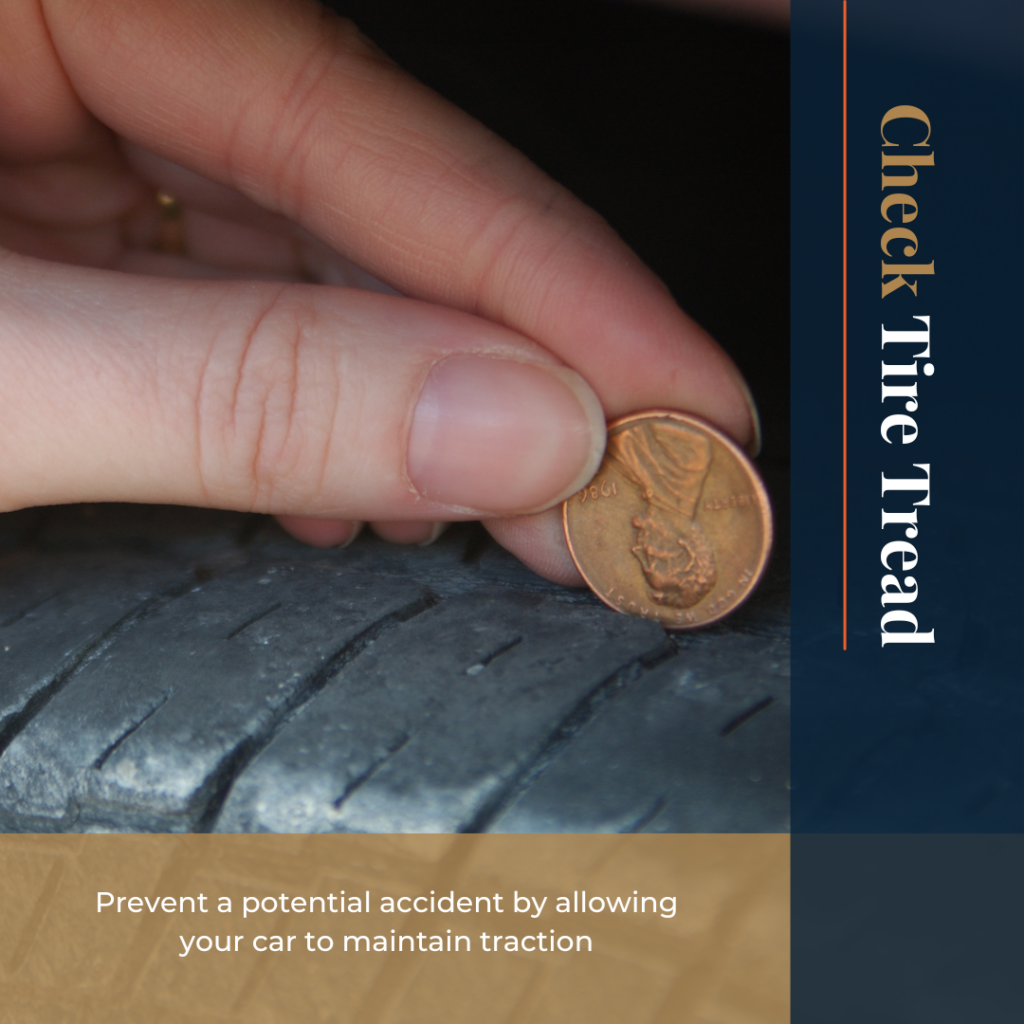

Checking the tread on your tires is one of the most important tasks you can do when it comes to preparing your car for the winter season. Having enough tread on your tires could prevent a potential accident by allowing your car to maintain traction in slick or stormy conditions. It is easy for your car to lose traction when there isn’t enough tread. With winter approaching, low tire tread makes it much harder for your vehicle to gain traction in wet weather conditions and could increase your chances of hydroplaning. A tire depth gauge is a tool used to measure how much tread you have on your tires and will pinpoint a measurement that could show you are still good to drive on the tires or if they need to be replaced. You can get a tire depth gauge from a local auto parts store or get your tires checked by a professional during other vehicle maintenance needs. Along with checking your tire tread depth, you should also check your tire pressure levels to make sure they are at proper levels to drive. Your tire pressure can decrease in cold weather conditions, so it is important to make sure you regularly check and refill your tires as temperatures continue to drop.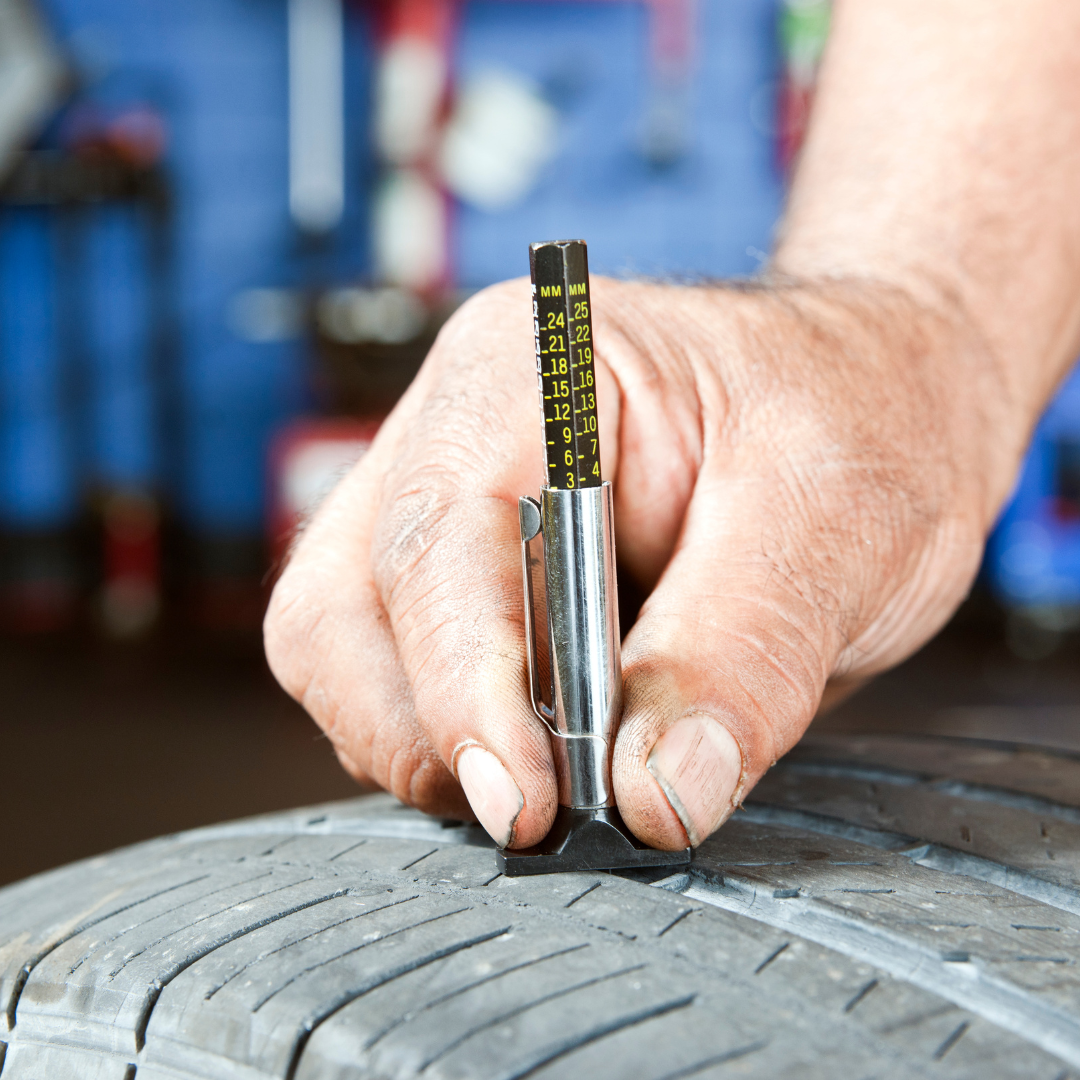
Check Tire Tread
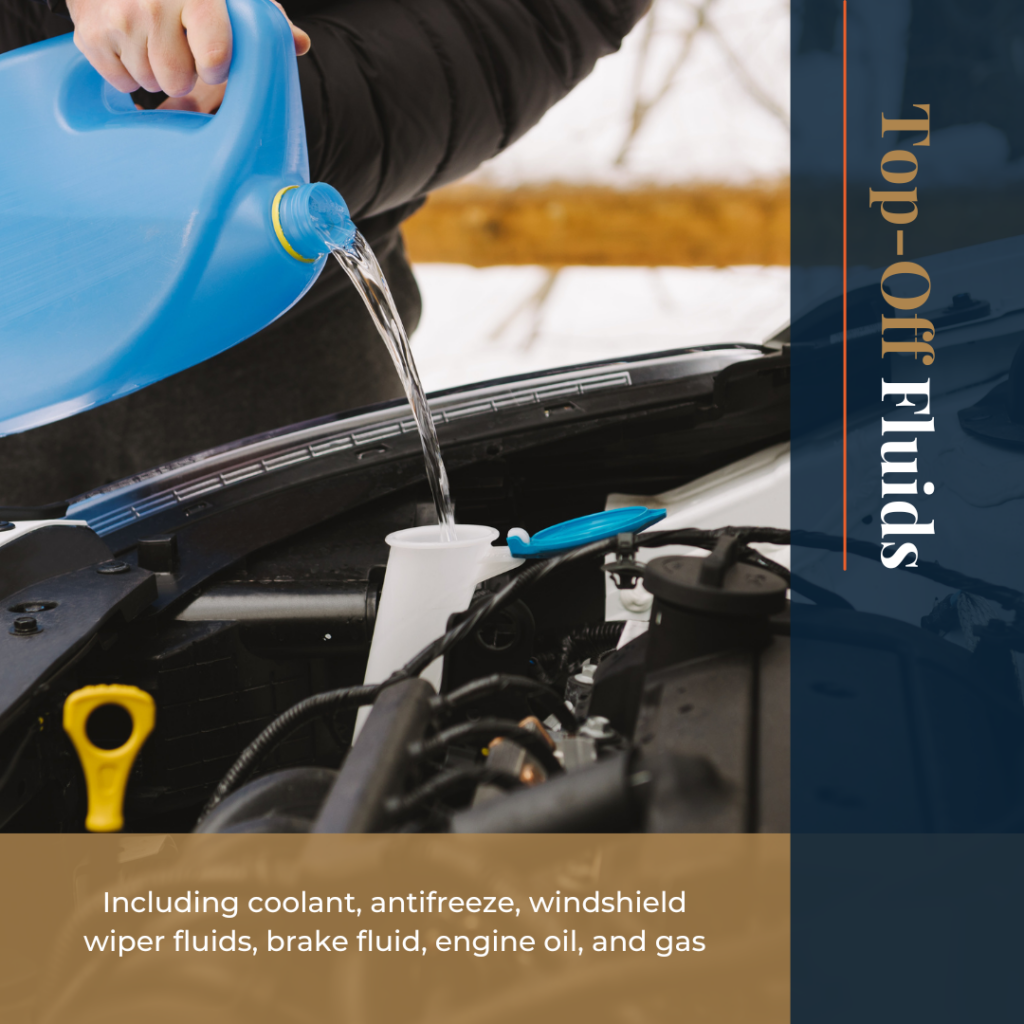
There are a couple of different fluid levels that you will need to have checked for the winter, including coolant and antifreeze, windshield wiper fluids, brake fluid, engine oil, and gas. Coolant is the fluid that regulates your engine during extreme weather temperatures. With that, antifreeze is a fluid that prevents the fluid in your radiator from freezing and ensures the cooling system can work properly during the winter. Antifreeze can be added to the coolant or there are other options at an auto parts store for a combined coolant and antifreeze fluid. It is important to replace the antifreeze in your vehicle to make sure you do not cause any extra wear and tear on your engine while driving in cold conditions. Make sure that your windshield wiper fluids are full to keep your windshield clear so you can have as much visibility as possible. Wet weather conditions can make it difficult to see the road, so topped-off wiper fluid and new windshield wipers can reduce your chances of a car accident. There are multiple options for windshield wiper fluid. Some are made specifically for winter with a higher methyl alcohol level so it has a much lower freezing point than typical wiper fluid. Brake fluid is a good component to check because it is in charge of providing enough force to stop your vehicle, especially in icy conditions. Engine oil is another fluid you may want to replace because there is a specific oil that can be used in the winter to protect your engine and give it better protection while driving in colder conditions. As for your gas, do not let your gas tank get too low before filling it up. Sometimes, situations happen that are out of your control and you want to make sure you have enough gas without running the risk of being stranded in your vehicle.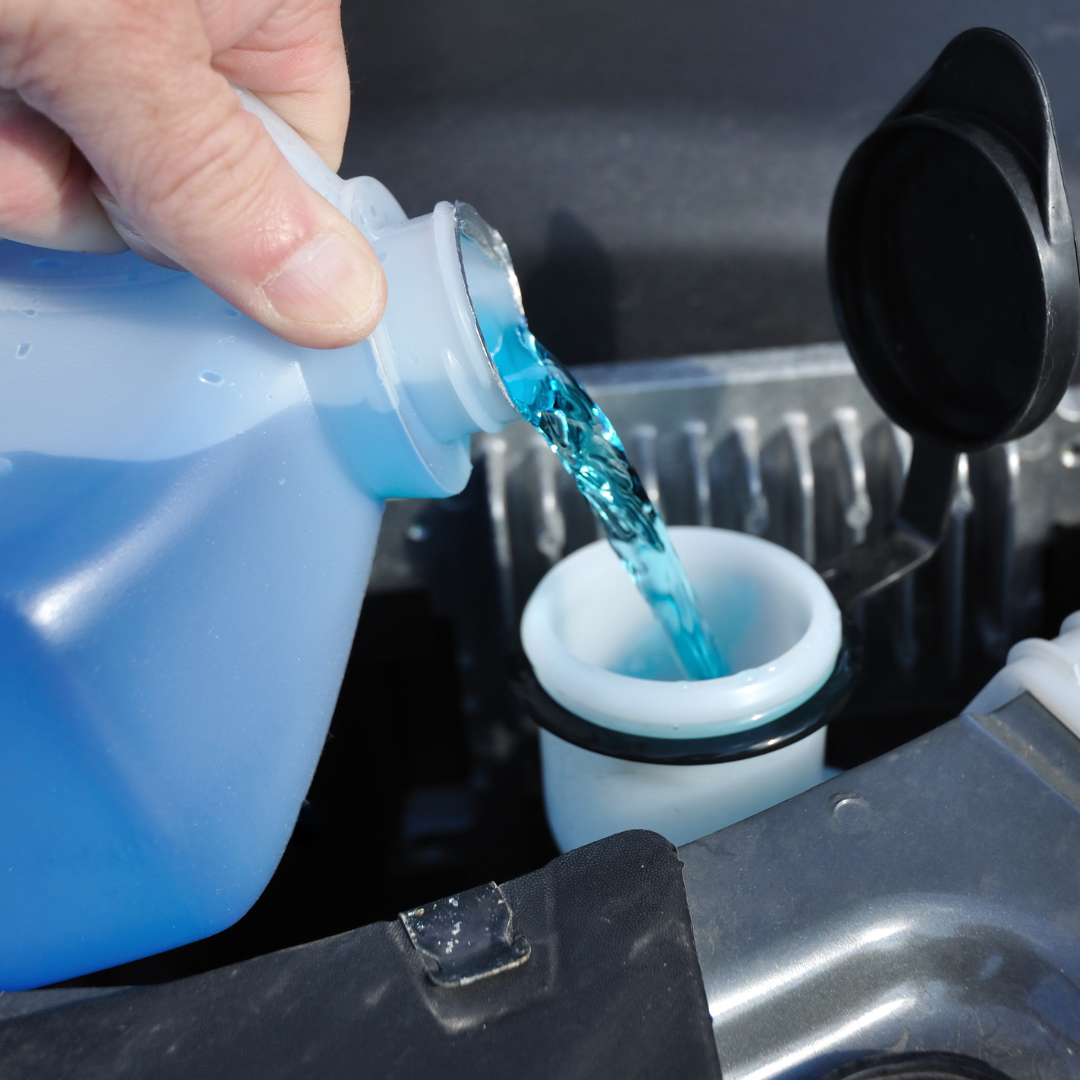
Top-Off Fluids
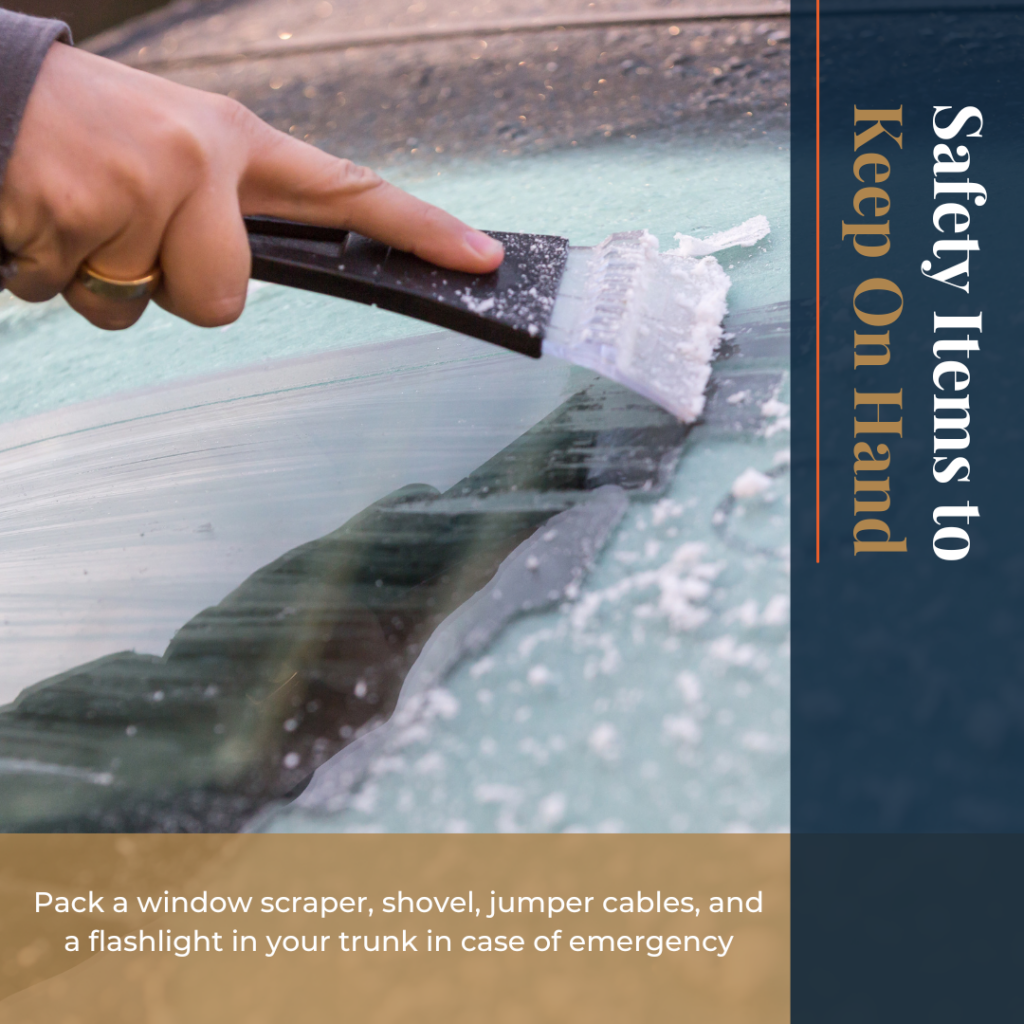
Being out on the road during the winter can be dangerous and unpredictable, so our team car accident lawyers have created a list of items you might want to consider keeping in your vehicle in case of an emergency:
Safety Items to Keep On Hand
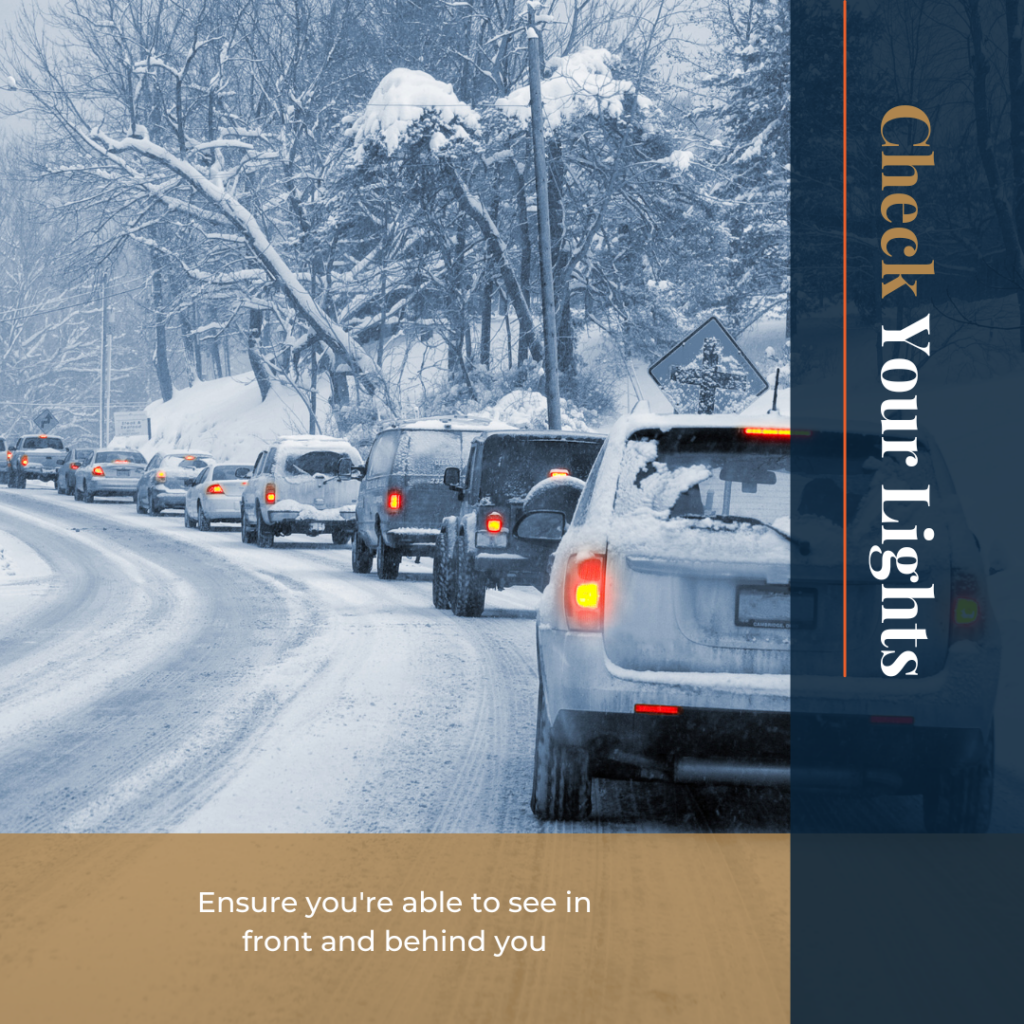
If it is snowing and dark outside, it can be extremely difficult to see, so it is imperative that you check your front headlights and rear brake lights to ensure they are all working properly. This way, you will be able to see what is in front of you, and people behind you will be able to see you, especially when you brake. If your lights are too dim, you may need to replace the bulb or get your light covers cleaned. It can be hard to have quick reactions when it is snowing or icy and this can ensure another level of safety for you and others around you.
Check Your Lights
Stay safe this winter and make sure your car is in the appropriate driving condition to prevent unnecessary accidents. If you get into a car accident and need assistance from an auto accident lawyer, reach out to us here at Murphy, Falcon & Murphy and we will help you receive the compensation you deserve. Our team has the experience to work with you on your claim to get you the most out of your accident. Reach out to us to schedule a free consultation today!
Contact an Attorney