
Your Guide To Determine Who Is At Fault Following an Accident in Maryland
Motor vehicle accidents are chaotic and tragic events, and dealing with the aftermath can be an overwhelming and frustrating experience. You will likely have to answer dozens of questions from police officers and insurance agents, all while wondering how to piece your life back together.
The main purpose of all these questions is to determine who is at fault for the accident, since this can have major implications for any legal proceedings that may occur. At Murphy, Falcon & Murphy, we have provided legal counsel for countless accident victims in Baltimore and the surrounding areas, helping them understand how fault is determined following a car accident and what steps they can take to receive legal compensation. Today, we’re sharing this knowledge with you, so you know exactly what to expect when you request legal assistance from our trusted auto accident lawyers.
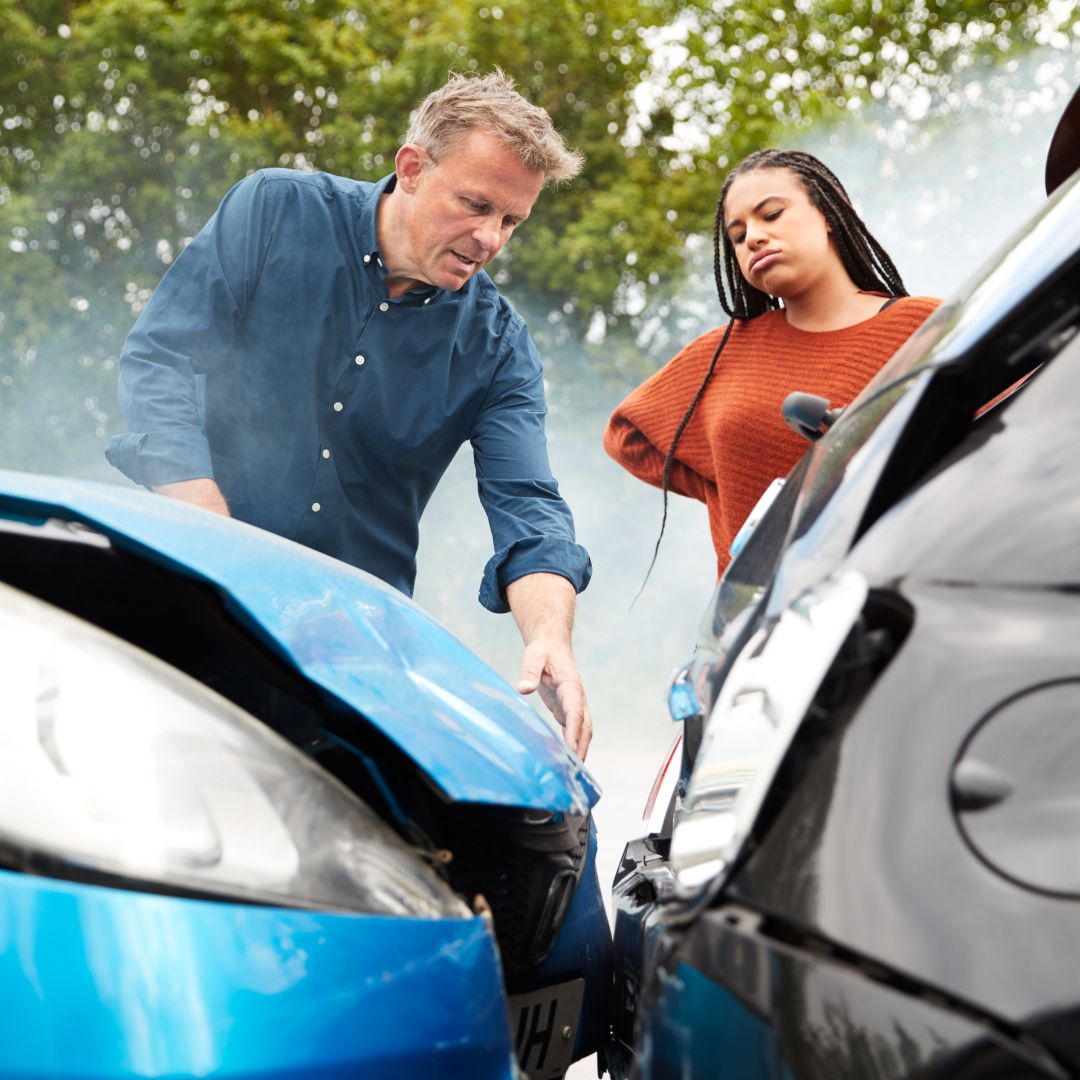
The Process of Determining Fault
The first step in determining fault following a car accident in Maryland is to collect all the relevant information. This includes the names and contact information of all the people involved, a police report, and any photographs or video evidence. This information will help you and your insurance agent or lawyer assess the situation and determine who is at fault.
The next step is to review the police report, if one was filed. The police report will provide important details about the accident, such as the events leading up to the incident and external conditions that may have contributed to it. If the police do not list a driver as at fault, it is up to the insurance companies to decide who is liable.
The insurance companies will then investigate the accident and review the evidence to determine who was at fault. They will consider the police report and any other evidence, such as witness statements or photographs. They may also consider the speed of the vehicles and the type of road at the time of the accident.
Once the insurance companies have determined who is liable for the accident, they will determine who is responsible for the damages. The person who is determined to be at fault will be liable for the costs associated with the accident. This includes any medical bills, car repairs, and other expenses related to the accident.
Since insurance companies often act in their own interest rather than yours, it may be necessary to hire a local auto accident lawyer who can protect your rights. At Murphy, Falcon & Murphy, we’ve provided world-class legal advocacy to clients for more than seven decades, helping auto accident victims obtain substantial settlements. Don’t take our word for it, though — explore our past results and read our client testimonials to find out why our name is synonymous with success.
Different Types of Accidents
There are various types of motor vehicle accidents that can occur, and each type can influence which party is typically at fault. Here are some of the most common.
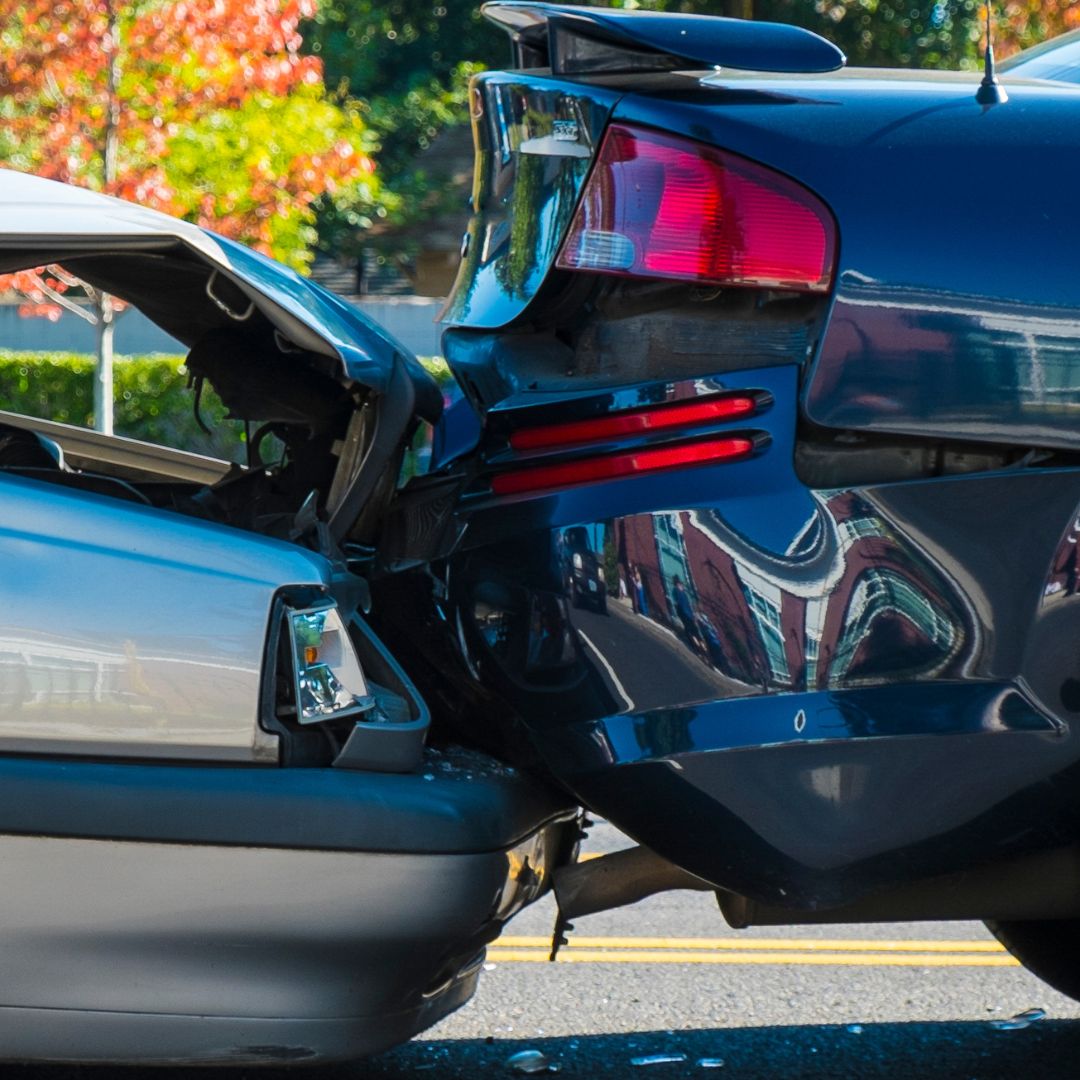
Rear-end collisions are one of the most common types of auto accidents. In these types of accidents, one vehicle runs into the back of the other. In most cases, the vehicle that rear-ended the other is at fault. However, there are some exceptions to this rule. For example, if a rear-end collision occurs because a driver suddenly pulled in front of another without warning, the blame may be placed on the vehicle in front.
Head-on collisions are much less common than rear-end collisions, but can be extremely dangerous. In these types of accidents, two vehicles collide head-on, usually at high speeds. In these cases, the driver of each vehicle is usually held responsible for their own negligence. However, if one of the drivers was driving on the wrong side of the road, they may be held responsible for any damages or injuries caused.
Side-impact collisions, also known as “T-bone” collisions, occur when one vehicle strikes the side of another. In these situations, it can be difficult to determine who is at fault. However, the driver of the vehicle that struck the other is usually held responsible. Factors like speed, visibility, and the timing of the impact can also influence who is found to be at fault.
Multi-vehicle accidents involve three or more vehicles and can be caused by a variety of factors. These types of accidents can be especially difficult to assess, as there are often multiple drivers involved. Once again, speed, visibility, and the timing of the impact are all factors which can influence who is held responsible for the accident.

Different Types of Fault
In some cases, fault may be difficult to assign. This is known as unclear fault. If it is believed that both drivers were at fault, or that neither driver was at fault, the accident may be classified as having unclear fault. In this case, both drivers will have the opportunity to present their evidence in court, and a judge will make a final ruling. As such, it is absolutely essential to have a tenacious car accident attorney on your side who can sway the court in your favor.
Partial fault may be assigned if one driver is determined to be more at fault than the other. For example, if one driver was speeding but another driver ran a red light, the driver who was speeding may be assigned partial fault. In this case, the driver who was partially at fault may still be liable for damages, but the amount of damages may be reduced due to his or her partial contribution to the accident.
Full fault is assigned if one driver is determined to be completely at fault for the accident. This may be the case if one driver was driving recklessly, while the other driver was following the rules of the road. In this situation, the driver who was deemed to be fully at fault may be liable for all damages caused by the accident.

Determining Fault in Maryland
If you have been involved in a car accident in Maryland, it is important to understand the laws and regulations that govern who is at fault and what damages may be available to you. Maryland is an at-fault state, meaning that the driver who is found to be at fault for the accident is responsible for the damages caused.
Under Maryland law, the statute of limitations for filing a claim for damages resulting from a car accident is three years from the date of the accident. This means that if you do not file a claim within three years of the accident, you may be unable to recover any damages for your losses.
When determining who is at fault for an accident, Maryland courts will look at who was negligent. Negligence is defined as any careless or reckless behavior that results in an accident. In general, the driver who was negligent will be found to be at fault for the accident.
If you are found to be at fault for an accident, you may be liable for both economic and non-economic damages. Economic damages are those that can be easily calculated, such as medical expenses, property damage, and lost wages. Non-economic damages are those that are more subjective, such as pain and suffering, mental anguish, and loss of companionship.
In addition to the laws and regulations that govern who is at fault following a car accident, Maryland also has several other laws that are specific to the state. For example, Maryland has a contributory negligence rule, which means that if you are found to be even 1% at fault for an accident, you will not be able to recover any damages. The auto accident lawyers at Murphy, Falcon & Murphy can help you understand these laws and regulations before filing a claim for damages following a car accident in Maryland, so contact us today to schedule a free consultation.

If you have been involved in a car accident in Maryland, it is important to hire an experienced accident injury attorney to help you understand your rights and to fight for the compensation you deserve. At Murphy, Falcon & Murphy, we can help you understand the applicable laws in Maryland, determine who is at fault, and negotiate a fair settlement on your behalf. Reach out to our team online, or call us at (800) 277-0150.