
Signs You’ve Had a Blood Transfusion Mistake
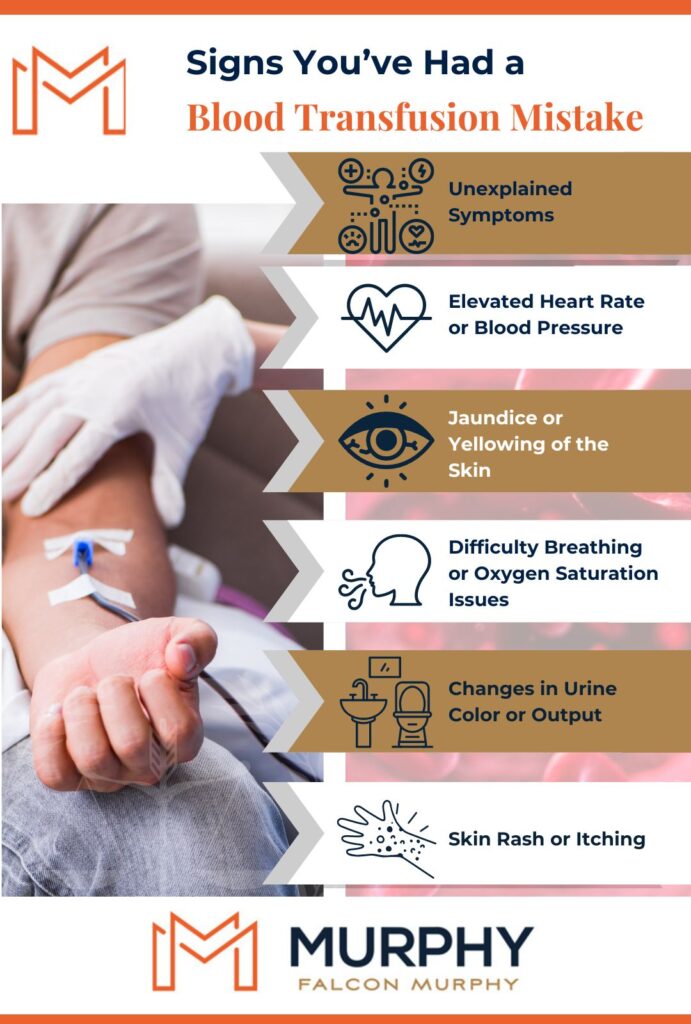
If you’ve experienced a blood transfusion mistake, it’s crucial to be aware of the signs that indicate potential complications or errors. At Murphy, Falcon & Murphy, a trusted personal injury law firm in Baltimore, we understand the serious consequences that can result from blood transfusion mistakes. Our experienced attorneys are here to help you seek justice and compensation if you have been a victim of a transfusion error. Here are six signs that may indicate you’ve had a blood transfusion mistake. Schedule a consultation today.

Unexplained Symptoms
One of the most common signs of a blood transfusion mistake is the development of unexplained symptoms after the transfusion. These symptoms may include fever, chills, shortness of breath, chest pain, nausea, or vomiting. If you experience any unexpected or concerning symptoms following a blood transfusion, it’s important to seek immediate medical attention, inform your healthcare provider about your concerns, and contact our personal injury lawyers as soon as possible.

Elevated Heart Rate or Blood Pressure
An incorrect blood transfusion can lead to adverse reactions in the recipient’s body, potentially causing an elevated heart rate or blood pressure. If you notice a sudden increase in your heart rate or blood pressure following a transfusion, it could be a sign of a mismatched blood type or other transfusion error. Promptly informing your medical team about these changes is essential for your safety and well-being.

Jaundice or Yellowing of the Skin
Jaundice, characterized by yellowing of the skin and eyes, can occur as a result of receiving incompatible blood during a transfusion. This condition indicates a breakdown of red blood cells and the release of bilirubin into the bloodstream. If you notice any signs of jaundice following a blood transfusion, it’s crucial to notify your healthcare provider immediately for further evaluation and intervention and to seek advice from our Baltimore personal injury lawyers.

Difficulty Breathing or Oxygen Saturation Issues
Respiratory distress, difficulty breathing, or a decrease in oxygen saturation levels can be alarming signs of a blood transfusion mistake. These symptoms may indicate a transfusion reaction, such as transfusion-related acute lung injury (TRALI) or an immune response to incompatible blood components. Seeking prompt medical attention is essential to address respiratory complications and prevent further harm.

Changes in Urine Color or Output
Changes in urine color or decreased urine output can be indicative of a blood transfusion reaction that affects kidney function. Hemoglobin or other components released during a transfusion error can lead to kidney damage or impaired filtration, resulting in changes in urine characteristics. If you observe unusual changes in your urine following a blood transfusion, it’s essential to inform your medical team for proper assessment and management, as well as our blood transfusion attorneys in Baltimore for helpful advice.

Skin Rash or Itching
An allergic reaction to transfused blood components can manifest as a skin rash, hives, or itching. These symptoms may develop shortly after a blood transfusion and indicate an immune response triggered by incompatible blood products. If you experience skin-related symptoms following a transfusion, it’s important to communicate with your healthcare provider to address the underlying cause and receive appropriate treatment.
CONTACT US TODAY
Recognizing the signs of a blood transfusion mistake is crucial for ensuring prompt diagnosis and intervention. If you have experienced any of the aforementioned signs or symptoms after a blood transfusion, it’s essential to seek immediate medical attention and consult with your healthcare provider. Additionally, if you suspect that a blood transfusion error has occurred, our team at Murphy, Falcon & Murphy is here to provide legal guidance and support. Our knowledgeable Baltimore personal injury attorneys can help you navigate the complexities of medical malpractice cases and pursue the compensation you deserve for your injuries and damages. Contact us for a consultation today.