
Who is Liable for a Baltimore Construction Site Accident?

Construction is one of Maryland’s most dangerous industries. When a site accident occurs, the legal aftermath is incredibly complex because most workers assume Workers’ Compensation is their only path to recovery. While it provides basic benefits, it rarely covers the full scope of a catastrophic injury. At Murphy, Falcon & Murphy, we look beyond the obvious to identify “third-party” liability—the other entities whose negligence contributed to your accident and your future.

The Limit of Workers’ Compensation
Workers’ compensation is a no-fault system, meaning you get benefits regardless of who caused the accident, but you generally cannot sue your direct employer. The downside is that these benefits are limited; they don’t pay for your pain, suffering, or the full extent of your lost quality of life. To get the compensation you truly deserve, we investigate whether a third party was at fault. This allows for a personal injury lawsuit.
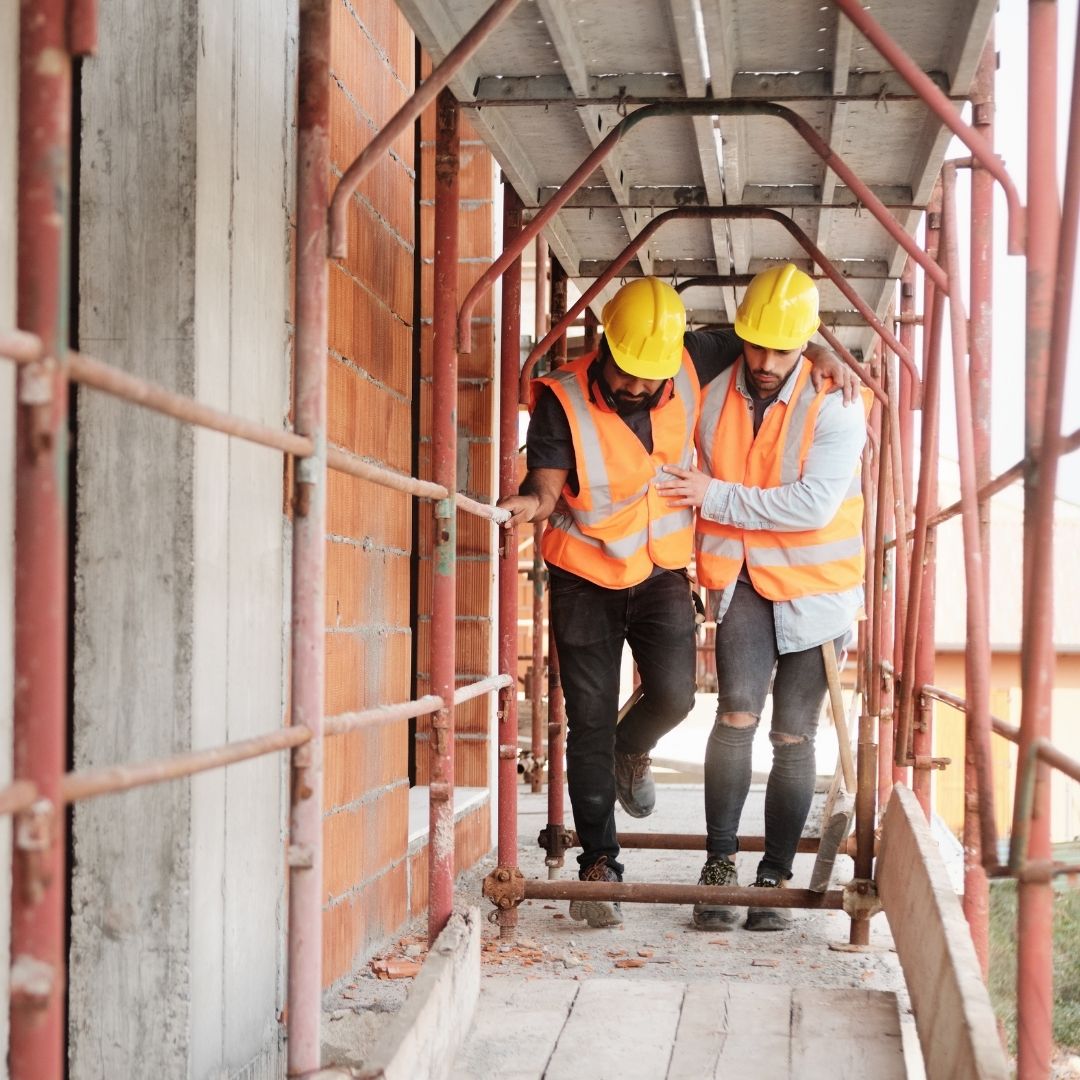
Negligence by Subcontractors and Other Trades
A typical Baltimore job site involves dozens of different companies working together. If an electrician leaves a live wire exposed or a flooring contractor leaves a hazardous opening in a deck, and you are injured, you have a direct claim against that other company. These multi-employer sites are a hotbed for negligence. We meticulously review site logs and safety meeting minutes to identify which trade failed to follow OSHA standards and created hazards.

Defective Equipment and Manufacturer Liability
Sometimes the failure isn’t human error, but a faulty tool. If a forklift’s brakes fail or a safety harness snaps, the manufacturer of that equipment may be held strictly liable. Construction equipment must be designed to withstand the rigors of the job; if it fails due to a design or manufacturing defect, the company that made it is responsible for your medical bills. This is known as a product liability claim and can significantly increase recovery.
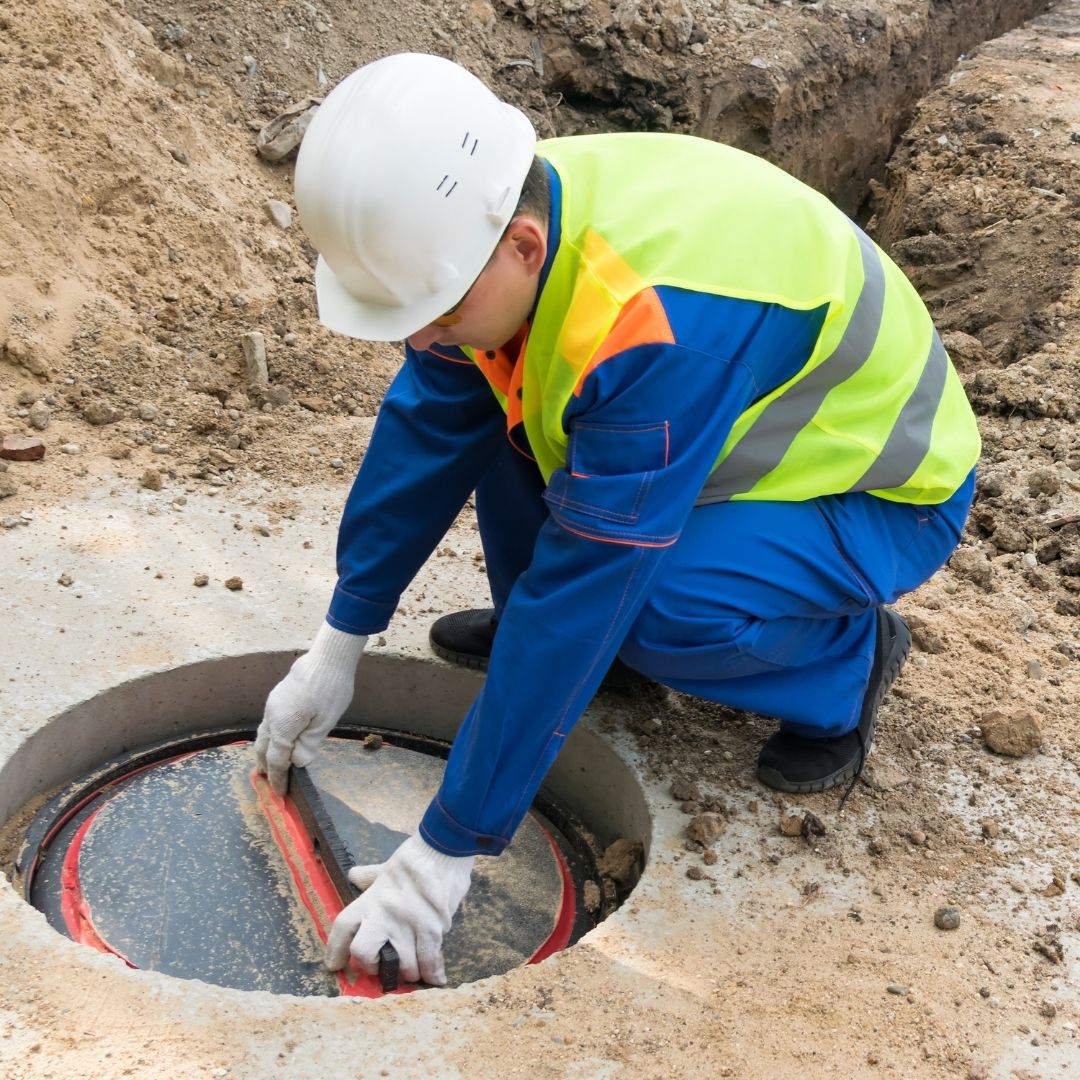
Site Owner and General Contractor Responsibility
The entity that owns the property and the General Contractor (GC) have an overarching duty to maintain a safe worksite. If the GC ignored repeated safety violations or failed to coordinate the various trades safely, they may be liable for injuries that occur under their watch. We investigate the contracts between the owner and the GC to see who was legally responsible for the specific safety protocol that was breached during the project, naming all parties.
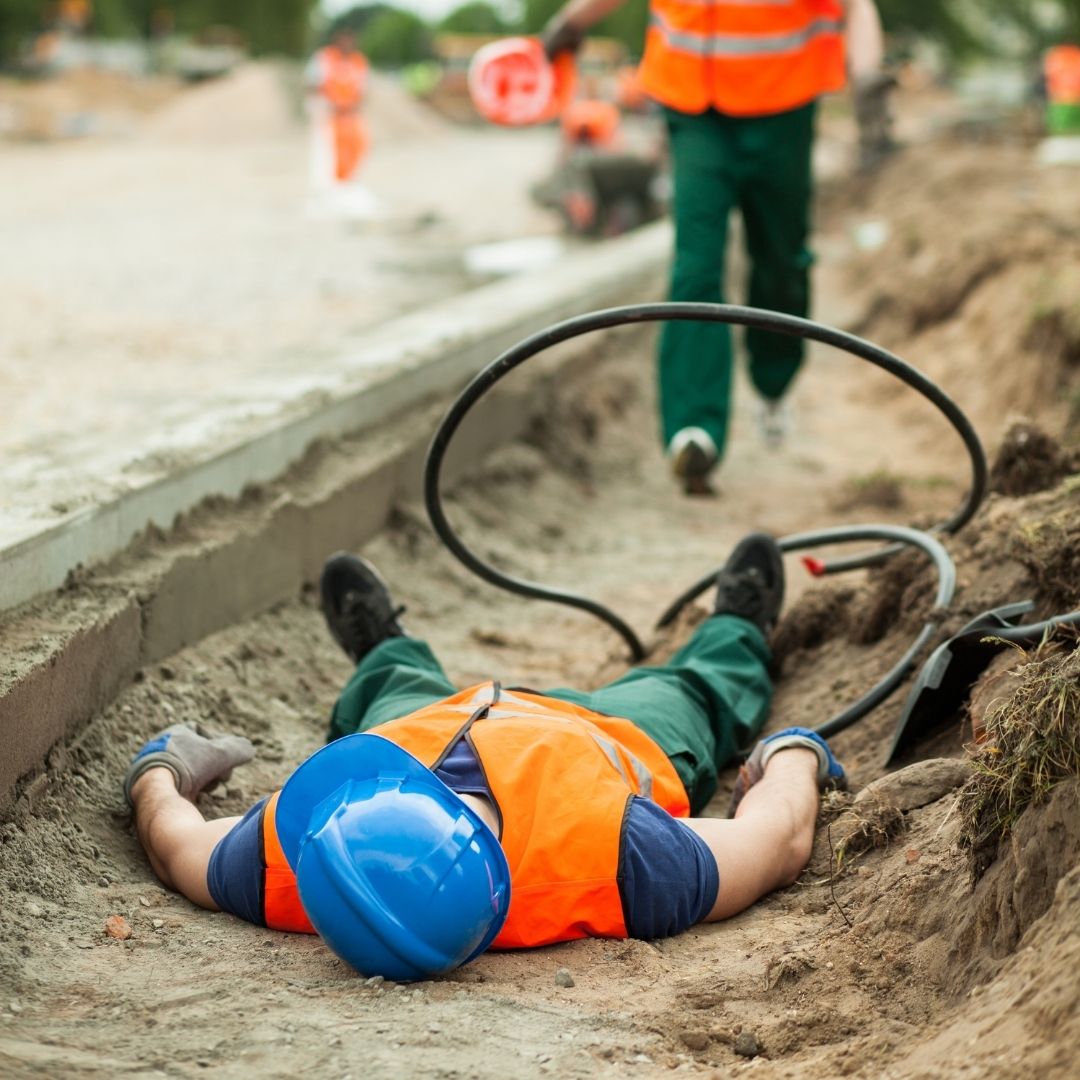
Architectural and Engineering Errors
In some cases, the danger is baked into the plans before the first shovel hits the ground. If an engineer miscalculates a load-bearing requirement or an architect fails to account for soil stability, the resulting collapse is their professional responsibility. These cases involve professional malpractice and require a legal team that can parse through complex blueprints and technical data to prove where the error occurred and how it led to your specific injury on the site.
A construction accident can end a career in a matter of seconds. You shouldn’t be forced to survive on the bare minimum provided by workers’ comp when other negligent parties are to blame. At Murphy, Falcon & Murphy, we have the experience to navigate these multi-party litigations. If you’ve been hurt on the job, call a lawyer at Murphy, Falcon & Murphy to investigate every avenue of recovery.