
Can You Legally Record Police Officers During a Traffic Stop or Public Arrest?
Flashing red and blue lights in your rearview mirror bring immediate stress. In that split second, you may instinctively reach for your smartphone to document what happens next. You have clear constitutional rights under the First and Fourteenth Amendments to film law enforcement performing public duties, whether on a sidewalk in Baltimore or along the roadside.
Documenting an interaction keeps everyone accountable, but police encounters can deteriorate rapidly. At Murphy, Falcon & Murphy, our team sees how quickly standard enforcement crosses the line into excessive force. If an officer retaliated against you, took your device, or caused physical harm because you held a camera, call a lawyer immediately.
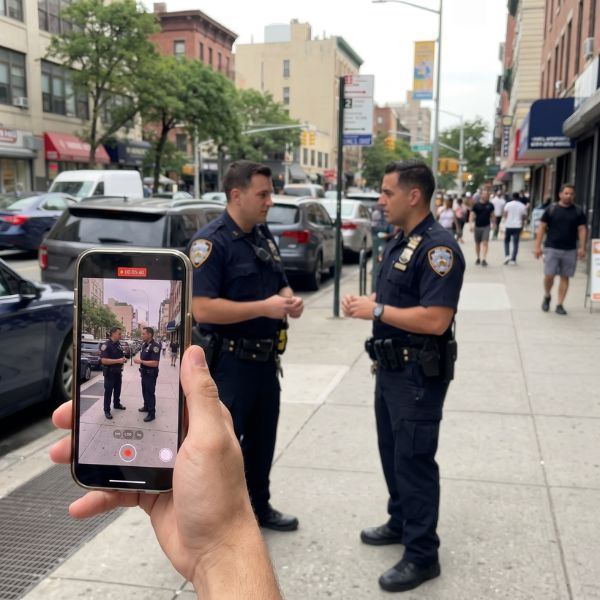
The Constitutional Right to Record Public Officials
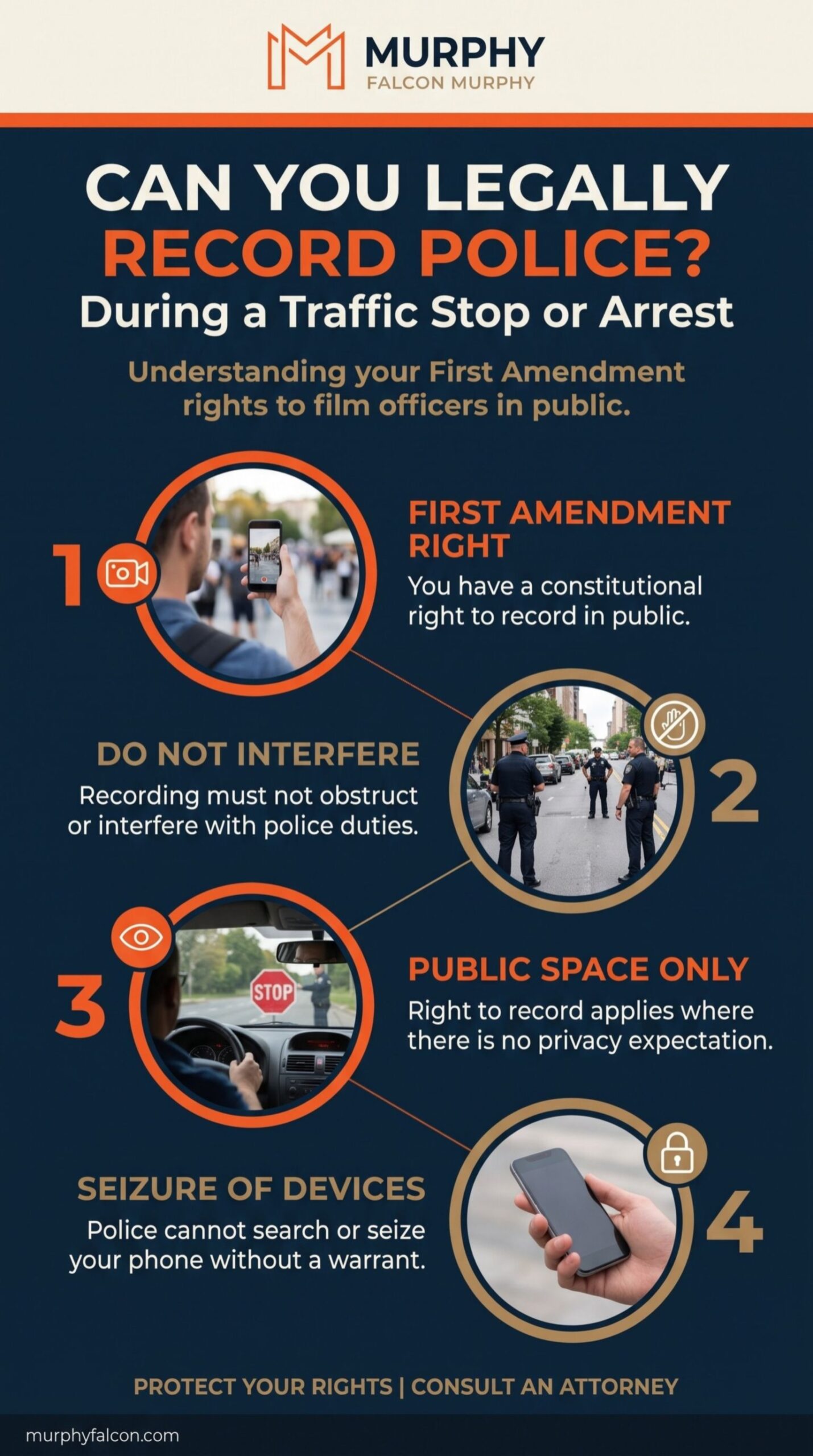
Under established federal precedent and Maryland state law, you possess a protected right to photograph and video record police officers operating in public spaces. Because officers conduct official business on behalf of the public, they carry no reasonable expectation of privacy while carrying out active duties. If you believe your constitutional rights were stripped away simply for filming, call a lawyer right away to examine the legality of the stop.
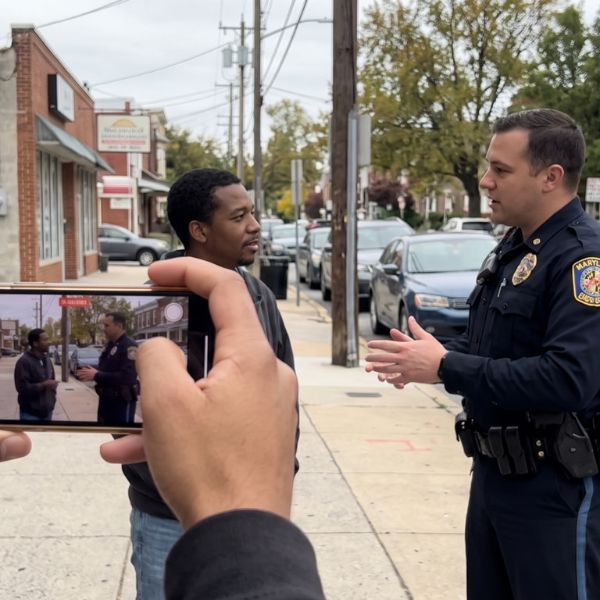
Maryland’s Wiretap Act Does Not Shield Public Actions
Maryland requires two-party consent for recording private communications, but state courts have made it clear: on-duty police interactions on public thoroughfares are not private conversations. An officer cannot lawfully invoke wiretapping statutes to shield themselves from being recorded in public view. If an officer arrested or threatened you under the guise of an illegal recording violation, you need to call a lawyer to review your claim.

Maintaining Distance and Avoiding Physical Interference
Your right to film ends where active obstruction begins. You cannot physically block an officer, crowd an arrest scene, tamper with evidence, or create immediate safety risks. During a traffic stop, remain in your vehicle unless ordered out, keep your hands clearly visible, and announce that you are reaching for your phone before moving. If you complied with instructions from a safe distance yet were charged with obstruction, contact a police misconduct lawyer without delay.

Illegal Device Confiscation and Forced Deletion
Law enforcement cannot lawfully search your phone, demand your passcode, confiscate your device without a warrant, or force you to delete footage. Destroying or seizing your video often constitutes an unlawful Fourth Amendment violation. If an officer took your phone or tampered with your media to erase evidence, call a lawyer to preserve your case.

Retaliation and Physical Brutality
Filming an arrest must never be met with violence. Retaliatory physical force, unlawful detention, or targeted aggression are civil rights violations. If an interaction escalated and left you hurt, consult a police brutality attorney to pursue justice for your injuries.
CONTACT US TODAY
A routine traffic stop or public arrest should never result in trauma, unlawful jail time, or hospital visits. As a premier personal injury law firm in Baltimore, Murphy, Falcon & Murphy has fought for the rights of everyday citizens for decades. If law enforcement violated your civil rights, broke your property, or caused you harm, do not wait. Protect yourself, hold wrongdoers accountable, and call a lawyer at Murphy, Falcon & Murphy today to discuss your potential claim. A dedicated police brutality lawyer from our firm is prepared to stand up for you.