
The Right to Record: A Citizen’s Guide to Filming Police Encounters in Baltimore
In the age of smartphones, your mobile device is more than just a communication tool—it is a powerful instrument for accountability. In Baltimore, a city with a complex history regarding law enforcement transparency, knowing your right to record is essential. If you witness or are involved in a police interaction, your footage could be the deciding factor in a legal case. At Murphy, Falcon & Murphy, we believe that an informed public is the first line of defense against injustice. However, simply hitting record isn’t enough; you must know the legal boundaries to protect yourself and your evidence. Call one of our lawyers today.
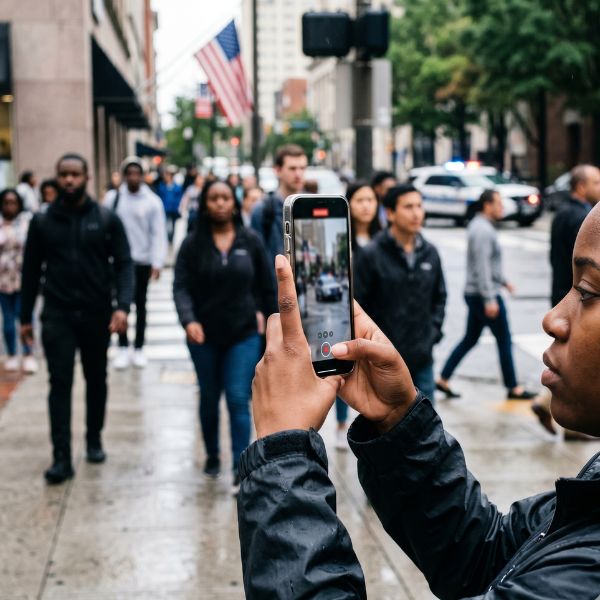
You Have a First Amendment Right
Under the First Amendment, you have a clearly established right to film police officers performing their duties in public spaces. This includes sidewalks, parks, and even private property where you have the owner’s permission to be. This transparency is vital in preventing abuses of power. If an officer tells you to stop filming or demands your phone without a warrant, they may be violating your constitutional rights. If this happens to you, it is time to call a civil rights attorney to discuss your options.
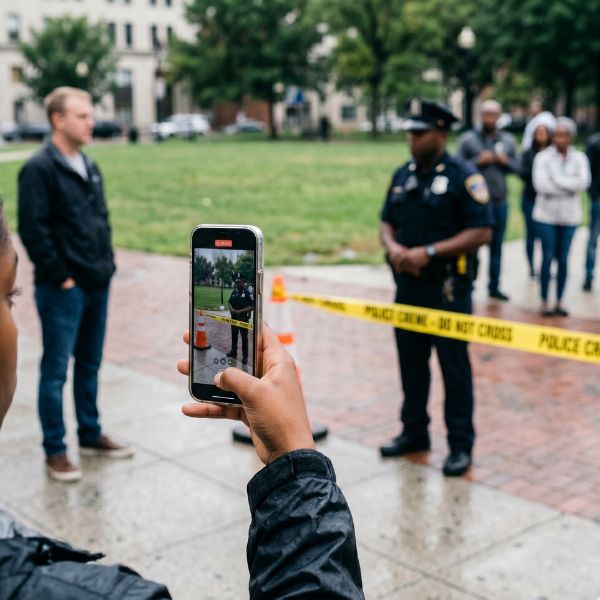
Maintain a Safe Distance
While you have the right to record, you do not have the right to interfere with legitimate police operations. To ensure your footage is legally protected and you remain safe, keep a reasonable distance. Do not cross police tape or stand so close that you physically obstruct an officer’s movement. If you are arrested for “obstruction” despite keeping your distance, you should contact a police misconduct lawyer immediately.
Maryland’s Wiretap Laws
Maryland is a “two-party consent” state regarding audio recording. However, the courts have generally ruled that this does not apply to police officers performing public duties where there is no reasonable expectation of privacy. While you are generally safe to record audio and video of an encounter on the street, you should always record openly rather than “surreptitiously” or in secret.

Protecting Your Device
An officer cannot search your phone or delete your footage without a warrant. Your digital data is protected by the Fourth Amendment. If an officer seizes your phone or forces you to delete a video, they are overstepping their authority. This type of evidence tampering is a serious offense. If your property has been seized or your files destroyed, a civil rights law firm can help you hold the department accountable.
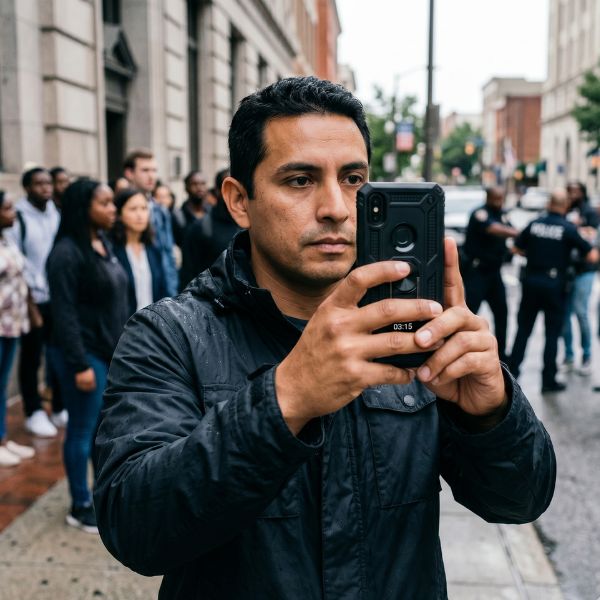
When the Footage Reveals Abuse
Recording is often the only way to provide an objective account of what happened during a high-stress encounter. If your video captures excessive force, or if you are a victim of such actions, that footage is the cornerstone of a legal claim. When documentation proves that the official police report is inaccurate, the tide of a case shifts in your favor.
GET STARTED TODAY
Your phone is a witness that never forgets. By exercising your right to record, you help ensure that the Baltimore Police Department remains accountable to the people it serves. However, filming is often just the beginning of the journey toward justice. If you believe your rights were violated or you have captured evidence of professional negligence, do not sit on that information. Whether you need a police brutality lawyer to address physical injuries or an advocate to handle a wrongful arrest, Murphy, Falcon & Murphy is ready to stand with you. If you think you have a claim, the most important step you can take is to call a lawyer today.