
How to Document Evidence of Police Misconduct
Public awareness of police misconduct has increased significantly, prompting a growing demand for accountability and transparency. Whether you witness an incident or are directly involved, knowing how to document evidence of police misconduct is crucial for ensuring justice and supporting any legal actions that might follow. Here’s a guide on effectively gathering and preserving evidence to support claims of police misconduct.

Record the Incident
Video evidence is one of the most compelling forms of documentation for police misconduct cases. Use your smartphone or another recording device to capture the event, ensure the footage is timestamped, and upload or save footage to a cloud service to prevent accidental deletion or loss. Try to capture details such as badge numbers, vehicle license plates, and clear images of the individuals involved. Be aware of your rights to record, which are generally protected as long as you do not interfere with police operations.

Take Photographs
In addition to video recording, photographs can provide detailed evidence of misconduct. Snap photos of any visible injuries, damage to property, or other pertinent details, such as the location of the incident and any visible signs of force or violence. Ensure that your photos are clear, well-lit, and timestamped.

Gather Witness Statements
Witness testimony supports your documentation of police misconduct. Approach bystanders or others who witnessed the incident and ask if they’d be willing to provide a statement. Collect their contact information and, if they consent, record their accounts using a smartphone or in writing. Ensure their statements include details about what they saw, heard, and any other relevant specifics.

Maintain Detailed Notes and Secure All Documents
Document information such as the date, time, and location of the incident, descriptions of the officers and individuals involved, and a thorough narrative of the events as well as any conversations you heard or took part in. Ensure all footage, photographs, statements, and notes are securely backed up, with copies in multiple locations, such as cloud or external drives, to prevent data loss. This precaution is particularly important to pursue legal action and report the incident to media outlets.
Consult Legal Counsel
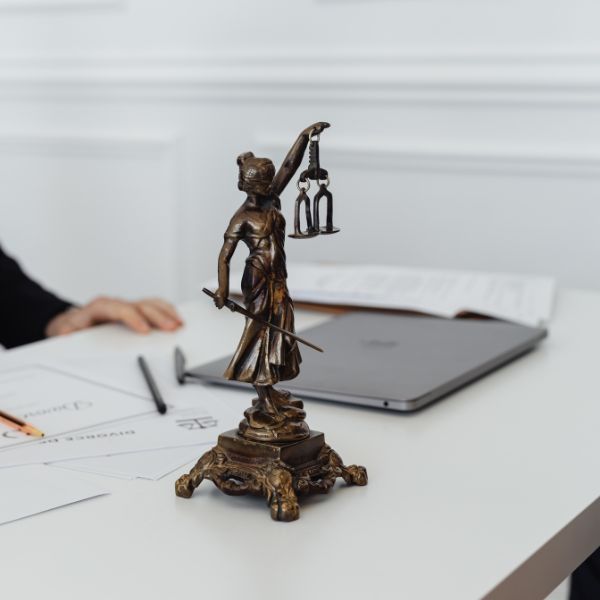
Once you’ve gathered evidence, consult with legal professionals experienced in handling police misconduct cases. They can assess the validity of your evidence, advise you on your legal rights, and help you determine the next steps in filing a complaint or pursuing legal action.

Documenting evidence of police misconduct is a crucial step in seeking justice and holding law enforcement accountable. Engaging with legal experts further ensures that your evidence is used effectively in any official proceedings, ultimately contributing to a fair and transparent resolution. Understanding and exercising your rights in these situations empowers individuals and communities to advocate for justice and reform. Contact Murphy, Falcon, & Murphy to get started with a free case evaluation today.