
While parents hope for a smooth pregnancy and delivery, mothers and infants may face a variety of complications; awareness of these possibilities can help with decision making for you and your family. According to the Agency for Healthcare Research and Quality, the number of total birth traumas has decreased from 2004 to 2013, however, mothers and infants are still experiencing a variety of birth traumas, including cerebral hemorrhage, facial nerve injury, and spinal cord injuries.
Spinal cord injuries (SCI) are one of the top 10 most common birth injuries, according to the Birth Injury Guide. If you experienced a complication during birth and your baby suffered an SCI, you don’t have to go through it alone. With the expertise and guidance from a birth injury lawyer, you can create a case to get the compensation you deserve.
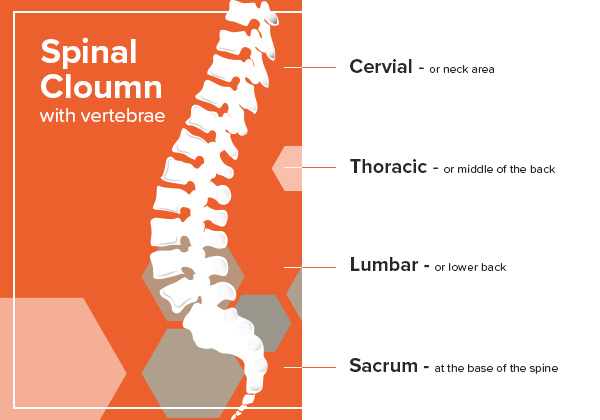
What is the Spinal Cord?
The spinal cord is a collection of nerve tissues that run from the base of the brain to the bottom of the spine. Its main function is to send messages from the brain to the rest of the body, telling muscles to move, Damages to the spinal cord can cause an interruption in the messages and can result in temporary or permanent changes in sensation and muscle function
What Are Spinal Cord Injuries?
The type and severity of the injury that is sustained will depend on the location of the injury along the spine. Generally, for injuries that occur higher along the spine, the more severe the resulting damage is.
- Cervical Injury: Also called tetraplegia, this type of injury can cause the loss of muscle function, loss of strength in the arms and legs, and a loss of feeling below the point where the injury occurred.
- Thoracic Injury: This type of injury can result in loss of or weak chest muscles. An infant that sustains a thoracic injury may need assistance from a ventilator to breathe.
- Lumbar and Sacral Injuries: Also called paraplegia, these injuries can cause paralysis and loss of muscle function in the legs, as well as nerve and muscle function in the bladder, bowel, and other organs.
SCIs can vary significantly in severity, from minor bruises, or contusions, partial tears, or complete tears, which is called a transaction. They can also be broken down into incomplete or complete spinal cord injuries.
- Complete: While there is still the possibility for some recovery, a complete spinal cord injury is when the cord is severed or compressed that results in a loss of movement and sensation. 30 percent of SCIs are complete.
- Incomplete: In these cases, the spinal cord is damaged, but is still able to process messages from the brain. There is only a partial loss of sensation and movement. Patients can recover from incomplete SCIs.

When a birth progresses normally, there is pressure on the baby as it’s delivered; however, the pressure is not typically on the spinal cord. When complications arise during delivery and things don’t go as planned, it may be necessary for the obstetrician to use methods or techniques to deliver the baby that are outside of the normal realm. When certain complications arise, the doctor may need to use forceps or perform a vacuum-assisted delivery. These methods are sometimes used when an immediate delivery needs to take place, whether there is a risk to the infant or to the mother.
What Are Forceps?
Used in order to help the baby pass through the birth canal, forceps are shaped like large tongs or spoons. The forceps are placed on either side of the baby’s head and in between contractions, the baby can be guided through the birth canal. Forceps can also be used to help turn the baby if it’s in the wrong position.
Risks of Using Forceps
Injuries that occur due to the use of forceps are rare and are commonly caused due to improper use of the device. Some risks include:
- The pressure of the forceps can cause minor facial injuries.
- There may be a temporary weakness of the muscles in the face.
- Skull fracture
- Bleeding within the skull
- Spinal cord injuries
- Brain damage
What is Vacuum-Assisted Delivery?
An obstetrical vacuum is a suction cup that is placed on the infant’s head and is used to help guide the baby through the birth canal. A vacuum is done in conjunction with pushing during contractions. Possible risks of using a vacuum during delivery include scalp wounds, skull fracture, and bleeding within the skull.
Although rare, injuries that occur with the use of forceps or vacuum are often caused by improper use of the device. These devices are not meant to pull the baby, but simply to guide the baby or to help reposition it. Improperly pulling or twisting the baby during delivery could cause nerve damage from stretching nerves in the neck and back. If skull fractures are sustained, it can lead to internal bleeding and pressure on the spinal cord. Spinal cord injuries are rare, but your doctor should provide an informed-consent form so that you are fully aware of the risks when using either forceps or a vacuum. If you did not sign an informed consent form, you should contact a birth injury lawyer.
Complications During Delivery That Require the Use of Forceps or a Vacuum
- Malposition: An ideal position for a baby to be in during delivery is facing downward, and is the most common. However, they may also be facing upward, lying horizontally instead of vertically, or they may be breech, which is when the baby’s buttocks or feet are pointed downward. When the baby is not in an ideal position, it may be necessary to use forceps, manually change the position, or perform a cesarean delivery.
- Perinatal Asphyxia: Perinatal is a term used to describe the time period just before, during, and after delivery. Asphyxia is a condition when one is not getting enough oxygen. When an infant is deprived of oxygen, it can lead to a variety of issues and a quick delivery may be necessary.
- Failure to Progress: According to the American Pregnancy Association, prolonged labor is when labor lasts for 20 hours or longer, or 14 hours if the mother has delivered prior.
- Fetal Distress: If there are changes in the baby’s heart rate, immediate delivery may be necessary.

Failure to Diagnose Spina Bifida
Spina bifida is a birth defect that involves the spine and spinal cord. The neural tube, which is an embryonic structure that develops into the baby’s brain and spinal cord, closes early on during pregnancy, typically around 28 days after conception. In cases of spina bifida, the neural tube doesn’t develop properly or close fully, causing defects in the spinal cord and the bones in the spine, or vertebrae.
There are several types of spina bifida, including:
- Spina bifida occulta: When there is a small gap between the vertebrae of the spine. People are often unaware that they have this type because it rarely causes any issues.
- Meningocele: This is when there is an opening in the vertebrae and the protective membranes around the spinal cord are pushed through the opening. A sac filled with fluid is formed outside the opening, but it doesn’t hold the spinal cord, so there is a smaller chance of nerve damage.
- Myelomeningocele. The most severe form of spina bifida, the spinal canal is left open along the lower or middle back portion of the spine. In these cases, the nerves are pushed through and form a sac on the baby’s back, exposing tissue and nerves.
Meningocele and myelomeningocele are typically diagnosed before or right after birth. Your doctor should offer or discuss the option of several prenatal screening tests that can determine if your baby has spina bifida or any other neural tube defects. When spina bifida is diagnosed, doctors and physicians can take special care at birth to ensure the spinal opening, if there is one, can be wrapped with sterile dressings to protect the area. Doctors may recommend a C-section to avoid damaging the spinal cord. When the condition is not diagnosed during pregnancy, there are increased risks during delivery, including further injury to the spinal cord.

Signs and Symptoms of a Spinal Cord Injury
Depending on the severity of the injury, SCIs are often visible right after the delivery of the baby. However, it can take up to half an hour or as long as four days for symptoms of an injury to appear. Directly after birth, the physicians should conduct an Apgar test, which examines the baby’s Appearance (skin color), Pulse (heart rate), Grimace responses (reflexes), Activity (muscle tone), and Respiration (breathing rate and effort). Symptoms are typically discovered during this examination.
After taking the baby home, parents should monitor their baby for these signs:
- Loss of muscle function in the limbs.
- There is no rigidity to the baby when picked up
- There is a loss of sensation or a lack of reflexes
- Breathing problems
- Spasms
- Loss of bowel or bladder function
There is a chance that symptoms could be misdiagnosed as cerebral palsy, as symptoms are similar. However, SCIs are often seen directly after birth and symptoms of cerebral palsy can go undetected for months.
Diagnosing Spinal Cord Injuries
If there are symptoms of an SCI after delivery or in the weeks after, the doctor will run a series of tests before diagnosing an injury.
- X-Rays: If a vertebra has been fractured, it may indicate a spinal cord injury in the area. Minor fractures may not be visible.
- CT Scans: For a clearer image of any potential damage to the vertebrae, a CT scan may be ordered. The results from a CT scan cannot detect issues with nerves, however.
- MRIs: An MRI will give an accurate picture of any potential nerve compression, tumors, or lesions on the spinal cord.

While prevention is key to avoiding SCIs, treatment of spinal cord injuries will depend on the severity of the injury and whether it’s complete or incomplete. Immediately after birth, the doctor can administer certain medications to reduce any swelling and to stabilize the injury. Surgery may be required to assess how much damage was caused and to relieve pressure on injured nerves. The baby will most likely need to be hospitalized for a period of time ranging from a few weeks to several months. During this time, doctors can continually reevaluate the injury and monitor any progress in order to create a treatment plan based on the baby’s specific injury.
A variety of medical personnel may be required to give the baby the attention and treatment it needs. Personnel can include neurological and neurosurgical professionals, orthopedic doctors, pain treatment specialists, respiratory professionals, physical therapists, occupational therapists, and nurses who specialize in SCIs.
Surgery is commonly used to help make repairs, however, there are no cures for SCIs. Surgery can be used to help stabilize fractures, release pressure on the spinal cord, and to help treat any other injuries that may have occurred at the same time. Treatment may also include the use of a breathing machine, a bladder catheter, and a feeding tube.

Unfortunately, there isn’t a cure for SCIs and treatment will require long-term solutions in order to help the baby gain strength and independence throughout their life. With complete SCIs, there will most likely be a total loss of sensory and motor function. However, with incomplete spinal cord injuries, the brain can still send messages to the spinal cord, which will allow some motor and sensory function. When the spinal cord has limited function, it can cause:
- Loss of muscle function
- Loss of sensation
- Loss of reflexes
- Impaired bowel and bladder function
- Muscle spasms
- Sexual dysfunction may develop over time
- Increased pain, especially in the lower back
When spinal cord injuries do occur, they are most likely mild and can be treated with physical therapy, braces, or steroids to help the area heal and to prevent further damage. However, long-term use of a wheelchair may be necessary, as well as breathing support, feeding support, and ongoing rehabilitation. Rehabilitation can be used to help prevent muscle wasting, reduce muscle spasms, and to help retrain the child to use undamaged muscles to increase mobility and independence.

Immediately after an SCI is diagnosed, it’s important to focus on the health and safety of your baby. Be sure to remain in close communication with your healthcare provider to fully understand the severity of the situation and specifics of their treatment plan. Here are a few tips to make sure you are getting the best care:
- Write down any diagnoses, prescribed medicines, treatments, or tests that are administered.
- Be sure to understand the purpose of medication that is prescribed as well as any potential side effects.
- Ask if there are alternative treatment options.
- Keep everything organized, including consent forms you may have signed, diagnoses, and hospital bills.
Should You File a Medical Malpractice Lawsuit?
If you believe your baby sustained an injury that was the result of medical negligence on the part of the doctor, physicians, or hospital, you may be able to file a medical malpractice case. However, there are several factors that need to be determined before a lawsuit can be brought. Here are a few things to consider:
Was There a Breach of Duty?
Doctors have a duty to provide medical care to their patients. If the minimum standard of care was not met, there may be grounds for a lawsuit.
Was There an Injury?
If the minimum standard of care was not met and an injury was sustained, you will need to show that the injury was a result of the standard of care not being met. There needs to be a direct correlation between the care that was provided and the injury that was sustained. Keep in mind that your baby sustaining an injury by itself is not evidence of medical malpractice; it must be proved that the injury was caused by negligence.

Sufficient Evidence
In the case of a spinal cord injury, there must be sufficient evidence that the doctor was at fault. This will require hospital records that provide details of the delivery, what happened during the birth, what conditions caused the method of delivery, were special instruments used to aid in the delivery, what condition was the baby in after delivery, etc. These examples of evidence will be crucial in deciding whether medical malpractice took place or not.
Whether there is enough evidence for a spinal cord injury lawsuit or not, it’s always a good idea to consult with an attorney who can best advise you on a plan of action. An experienced medical malpractice attorney will be able to go over the details of your situation to determine if there is a solid case.
An experienced attorney can help you by:
Conducting Research and Investigating
An attorney will first conduct a detailed investigation into your case. This can be done by interviewing the hospital, licensing boards, or other health care providers. Medical records will also be obtained in order to understand the specifics of the case. When medical records are obtained, they may need to be reviewed by a medical professional who can provide a professional opinion on the case and to help everyone involved fully understand what happened.
Filing a Suit
There is a lot of preparation involved in preparing and filing a lawsuit and requires a licensed attorney. The lawsuit will be filed and copies will be served to the defendants and their attorneys.
Pretrial Discovery
This step in the process involves a written discovery and depositions of the parties and expert witnesses. The deposition process is an extremely important phase, where each side has an opportunity to question the parties involved, including the doctor, their attorney, and other witnesses. During this phase, the defendant’s lawyer will also have an opportunity to question you, the injured party. Before questioning, your attorney will ensure that you are fully prepared to answer questions.

A majority of medical malpractice cases do not go to trial, but rather a settlement is agreed to. Before a settlement can be agreed to, it must be proved that the doctor was negligent and that the doctor’s negligence caused the injury. Proving negligence and causation are challenging and complicated issues.
- Proving Negligence: To prove negligence, the facts of the case are measured against the standard of care that can be expected from any doctor.
- Proving Causation: This can be more challenging, as there are factors like the patient’s underlying condition that come into play — a condition that may have led to the injury, rather than the doctor’s negligence causing the injury. Another contributing factor is whether the doctor failed to diagnose a condition, such as spina bifida, that resulted in the patient’s injury.
If it has been determined that the doctor is at fault for the patient’s injuries, the value of the claim must be determined, or what damages are owed based on the facts of the case. There are several factors that come into play when determining a settlement amount:
- Medical bills, including the hospital stay, medications, surgery, etc.
- Pain and suffering that may occur outside of the injury.
- Emotional strain
Contact Murphy Falcon Murphy
The medical malpractice attorneys at Murphy Falcon Murphy specialize in spinal cord injuries that were sustained during delivery. With years of experiencing fighting cases in the trial as well as negotiating settlements, you can trust that we will fight hard for your rights and for fair compensation.
If you believe that your baby sustained an injury to its spinal cord as a result of negligence, get in touch with our spinal cord injury attorneys today. Our attorneys have been providing expert service in Baltimore for over 70 years and we know what it takes to win.
Contact us now to set up your free consultation. We are ready to help you find justice and rightful compensation.